The Khrushchev Thaw: ten years when the country learned to breathe
A word from an Ehrenburg novella that Khrushchev himself could not stand. Millions returning from the camps, poetry filling stadiums, a Gulag story printed in a state journal, and the freezes that followed every warm spell.
What the Thaw was
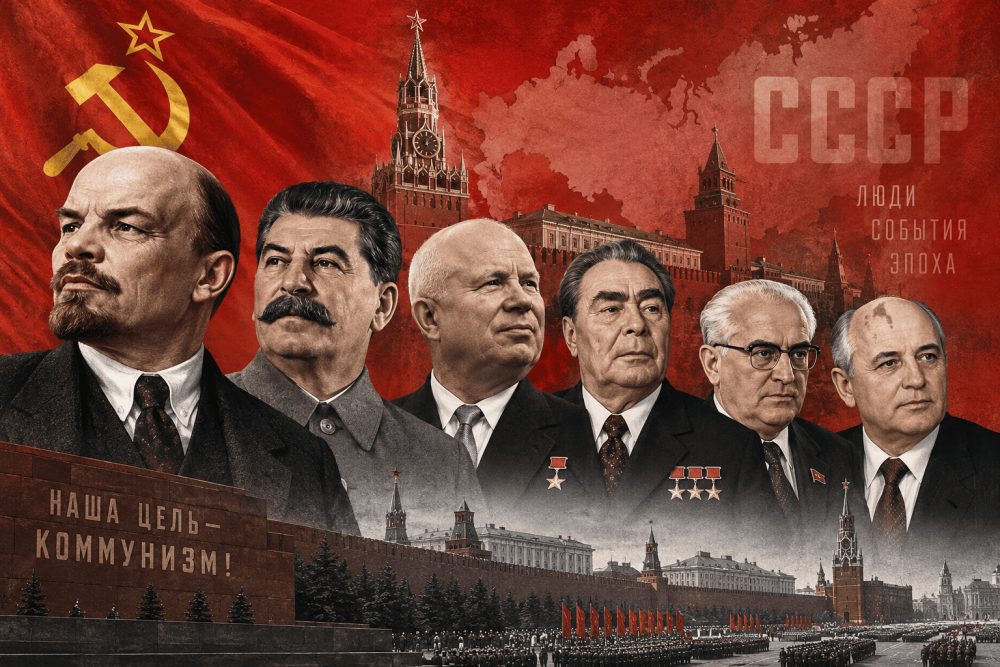
The Thaw is the period of Soviet history from roughly 1953 to 1964, from Stalin's death to Khrushchev's removal, when repression, censorship and fear visibly eased. Millions came home from the camps. Journals printed texts that would have been unthinkable five years earlier. People stopped fearing their own conversations, though they still remembered where such conversations used to lead.
Literature named the era. In the spring of 1954 the journal Novy Mir published Ilya Ehrenburg's novella The Thaw: a provincial town, a petty tyrant of a factory director, people waiting for change the way one waits for spring. The metaphor stuck at once. Khrushchev, oddly, hated the word; to him a thaw meant slush and mud. He accepted the name only at the end of his life, in retirement.
One thing matters most for understanding the era: the Thaw was never a plan. It was a series of steps forward and rollbacks, warm spells and freezes, and the people living through it never knew which would come next.
The return of names and people
It began before the famous speech. In the spring of 1953 an amnesty was declared, the "doctors' plot" case was dropped, Beria was shot. The first trainloads of freed prisoners left the Gulag.
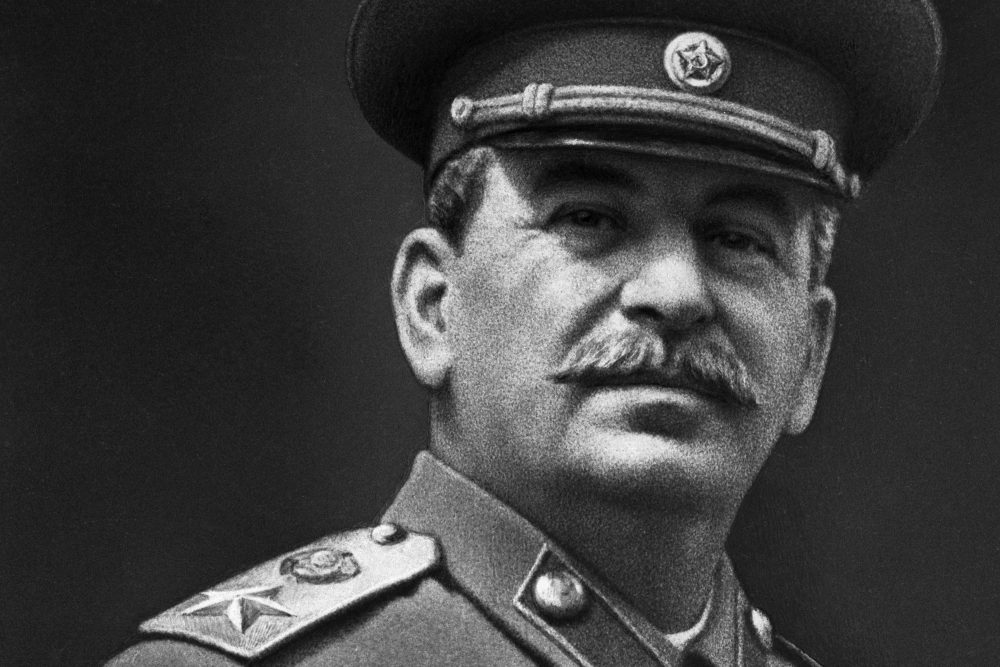
The turning point came on February 25, 1956. At a closed session of the 20th Party Congress, Khrushchev spent hours reading a report on the cult of personality: the executions of loyal communists, the torture, the deportations of whole peoples, the personal responsibility of Stalin. The delegates listened in dead silence; some fainted. The "Secret Speech" was then read out at party meetings across the country, and it leaked to the West within months.
An avalanche followed. Millions of cases were reviewed and hundreds of thousands of people rehabilitated, many posthumously. Camp survivors walked into apartments where no one had expected them for twenty years. In 1961 Stalin's body was removed from the Mausoleum, and Stalingrad was renamed Volgograd. For the first time the state publicly admitted that the terror had happened and that it was a crime. The conversation was never finished, then or later.
Poetry in stadiums
Culture answered the warming with an explosion. Young poets, Yevtushenko, Voznesensky, Akhmadulina, Rozhdestvensky, filled the Polytechnic Museum and then entire stadiums: thousands came to hear verse the way later generations would go to rock concerts. Tape recordings of the bards, Okudzhava and the young Vysotsky, passed from kitchen to kitchen.
Cinema broke onto the world screen: Kalatozov's The Cranes Are Flying won the Palme d'Or at Cannes, the only one in Soviet history, and this era of Soviet cinema is still called its new wave. In the summer of 1957 Moscow hosted the World Festival of Youth: thirty thousand foreigners wandered the city freely, and for Muscovites that was a bigger shock than any film. A whole generation acquired a name of its own, the shestidesyatniki, the people of the sixties.
The loudest publication of the Thaw came in November 1962, when Novy Mir printed Solzhenitsyn's One Day in the Life of Ivan Denisovich, the first legal text about the camps. Permission to publish it was given personally by Khrushchev.
The freezes
Every warm spell had its rollback, and this has to be said plainly.
In the autumn of 1956, eight months after the Secret Speech, Soviet tanks crushed the uprising in Hungary. Thousands died. The limit of the new freedom was drawn immediately: criticizing Stalin was allowed, criticizing the system was not.
In 1958 a country that had never read Doctor Zhivago spent months denouncing Pasternak for his Nobel Prize, until the writer renounced it. In December 1962 Khrushchev visited an exhibition at the Manege hall and screamed threats at avant-garde painters; after the Manege affair the cultural thaw went into decline. The campaign against religion did not soften under Khrushchev, it intensified. And in 1962 in Novocherkassk, troops fired on workers protesting food price rises; the dead were buried secretly and the event itself stayed classified for thirty years.
That is the honest arithmetic of the Thaw: freedom came in rations, and it could be taken back at any moment.
The end, and the echo
In October 1964 Khrushchev's colleagues removed him from all his posts. Quietly, with no arrest and no firing squad: the very fact of such a retirement was, ironically, a product of the Thaw. Under Brezhnev the warming was shut down for good. The usual endpoint is the trial of Sinyavsky and Daniel in 1966, when two writers were imprisoned for books published abroad; historians date the Soviet dissident movement from that courtroom.
But what the Thaw had opened could not be fully closed. The returned prisoners were not sent back. The generation raised on stadium poetry and kitchen tapes did not disappear: twenty years later those same people carried out perestroika, and the glasnost of the 1980s picked up the interrupted conversation of the 1960s almost mid-sentence. The Thaw turned out to be a rehearsal. One argument continues to this day: was it a sincere attempt to humanize the system, or only a way to save it? We give both views, because the documents support both.
Frequently asked questions
What was the Thaw, in simple terms? The period after Stalin's death (roughly 1953 to 1964) when the state eased repression and censorship: prisoners were released, previously banned texts were printed, fear receded. The name comes from Ehrenburg's 1954 novella.
Why is the era called the Thaw? After Ilya Ehrenburg's novella The Thaw (1954), which compared the changes in the country to snow melting after a long winter. Khrushchev disliked the word, but it stuck.
When did the Thaw begin and end? It is dated from Stalin's death in March 1953, with Khrushchev's Secret Speech of February 1956 as the key milestone. The end is usually placed at Khrushchev's removal in 1964 and the Sinyavsky-Daniel trial of 1966.
What changed in people's lives? Millions returned from the camps and hundreds of thousands were rehabilitated. Censorship eased: One Day in the Life of Ivan Denisovich appeared, new wave films were made, poetry filled stadiums. Mass housing construction began.
Was the Thaw real freedom? No. Hungary in 1956, the Pasternak campaign, the Manege affair and the shooting of workers in Novocherkassk marked the limits: Stalin could be criticized, the system could not.
Who were the shestidesyatniki? The generation of intelligentsia formed by the Thaw: poets, writers, scientists and engineers shaped by the 20th Congress and the returned literature. Twenty years later many of them became the backbone of perestroika.
Related
- Nikita Khrushchev: the man who opened the Thaw and kept closing it.
- The Gulag: the system from which the millions returned.
- Soviet cinema: the new wave and The Cranes Are Flying.
- Perestroika and glasnost: the conversation resumed twenty years later.
Sources
The facts in this article can be verified against authoritative sources:
- Encyclopaedia Britannica, "The Thaw (Soviet cultural history)": https://www.britannica.com/topic/the-Thaw-Soviet-cultural-history
- Wikipedia, "Khrushchev thaw": https://en.wikipedia.org/wiki/Khrushchev_thaw
- Wikipedia, "The Thaw (novel)": https://en.wikipedia.org/wiki/The_Thaw_(novel)
- New World Encyclopedia, "Khrushchev Thaw": https://www.newworldencyclopedia.org/entry/Khrushchev_Thaw
- TheCollector, "The Khrushchev Thaw: Relaxation of Soviet Repressions": https://www.thecollector.com/khrushchev-thaw-soviet-repressions/
Where historians disagree (sincere liberalization or a rescue of the system), we give both assessments.