Culture & Arts
Cinema, music, literature, architecture and censorship.
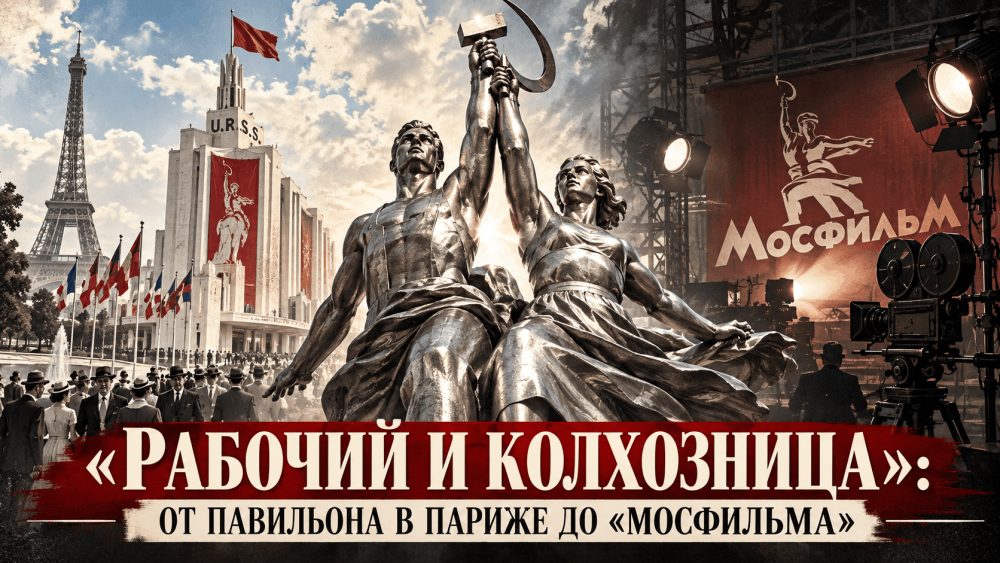
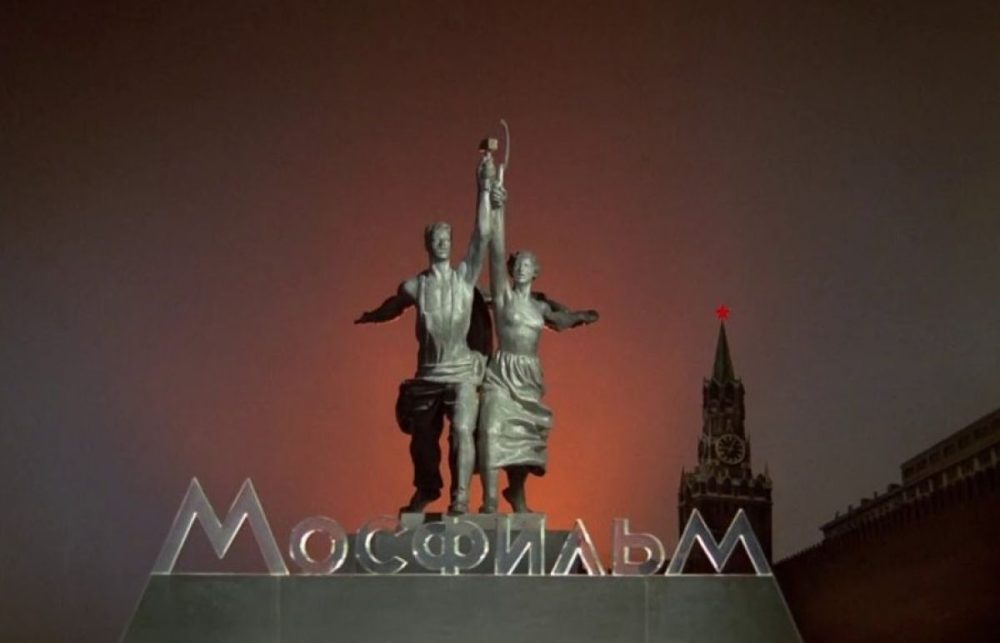
Worker and Kolkhoz Woman: From Paris to Mosfilm
Discover how Mukhina and Iofan shaped Worker and Kolkhoz Woman, why its setting changed and how the sculpture became Mosfilm’s recognisable emblem.
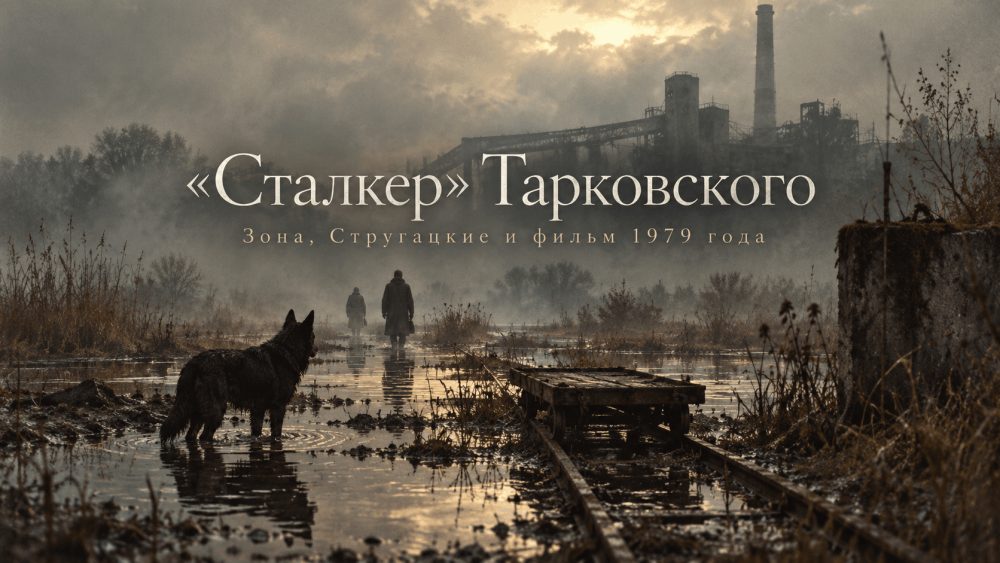
Tarkovsky’s Stalker: The Zone and the 1979 Film
How Stalker reshaped Roadside Picnic, where Tarkovsky filmed the Zone, and why the film predates Chernobyl. An introduction without an ending recap.
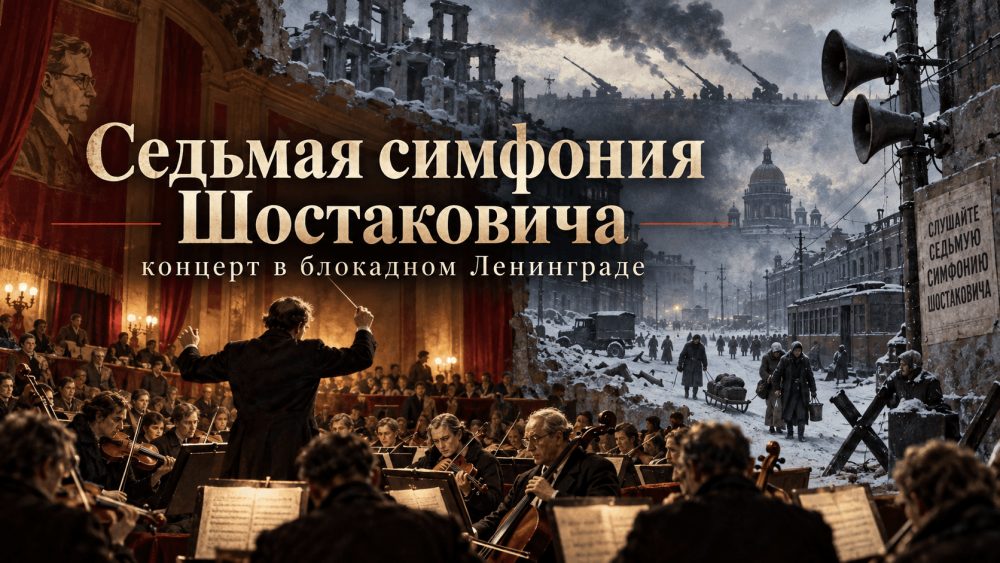
Shostakovich’s Seventh Symphony in Besieged Leningrad
Karl Eliasberg led the Seventh Symphony in Leningrad on 9 August 1942. The concert followed its world premiere and carried a meaning of its own.
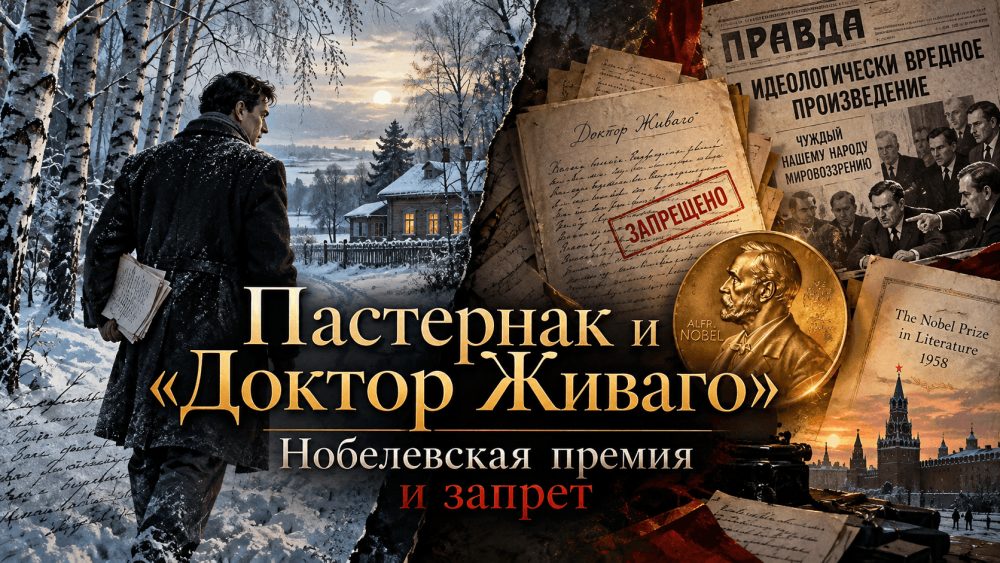
Pasternak and Doctor Zhivago: The Nobel Prize and the Ban
Doctor Zhivago appeared in Italy before its author won the Nobel Prize. Its path to Soviet publication reveals the limits of the cultural Thaw.
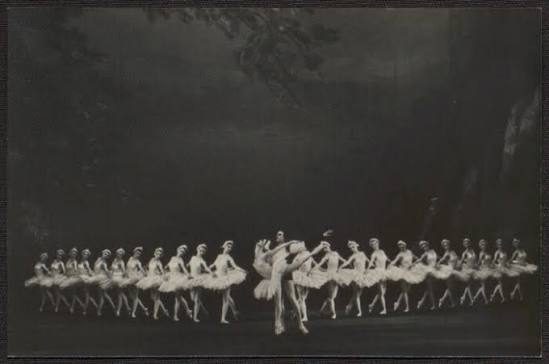
Soviet ballet: an art that became a weapon
London in 1956, weeping over Ulanova. Nureyev running through a Paris airport. And Swan Lake on television instead of news about the coup. How ballet became the USSR's greatest cultural export and its most honest metaphor.
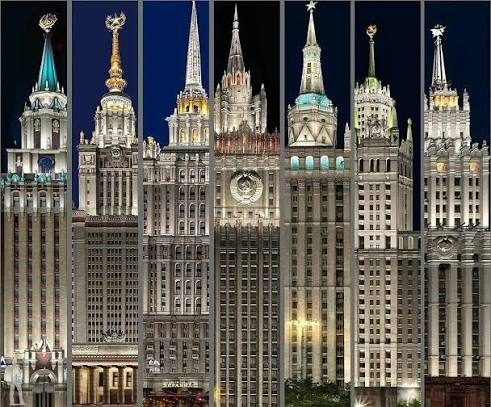
The Seven Sisters: Stalin's skyscrapers over Moscow
Eight foundations laid in one hour of one day, seven towers built, and one sister that vanished. Why Stalin needed skyscrapers, who really built them, and how their silhouette became Moscow's second coat of arms.
Soviet animation: the Soyuzmultfilm studio
Soyuzmultfilm gave the country Cheburashka, "Nu, pogodi!" and "Hedgehog in the Fog." How the USSR's main studio made cartoons loved by several generations.
Soviet cinema: from "Battleship Potemkin" to "The Irony of Fate"
Gaidai and Ryazanov comedies, Tarkovsky's philosophical films, three Oscars and "Moscow Does Not Believe in Tears." How Soviet cinema became beloved by several generations.
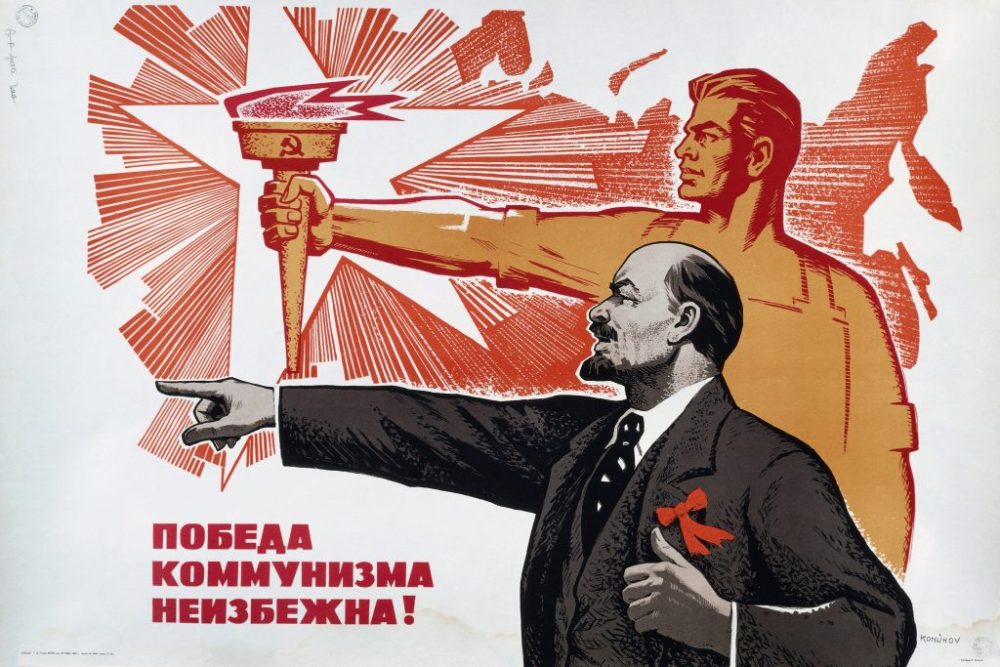
The Soviet poster: art that shouts from the wall
One night to create it, one morning to paste it up: that was the pace of the visual machine through which the country talked to itself for seventy years. From Mayakovsky's stencils to The Motherland Calls and Don't Chatter!, the story of the genre through which the USSR influenced world design more than through anything else.