Dersu Uzala: Kurosawa, a Soviet-Japanese Film and the 1976 Oscar
How Akira Kurosawa’s Dersu Uzala became part of Soviet film history: Arsenyev, the production team, Schwartz’s music and the date of its Academy Award.

Akira Kurosawa’s Dersu Uzala is a 1975 film made with Soviet and Japanese participation and based on Vladimir Arsenyev’s writing. At its centre is the friendship between an explorer and a taiga guide. In 1976, the picture won the Academy Award for Foreign Language Film. These facts introduce a history in which the literary source, the production team and international recognition need to be distinguished.
Why it belongs in Soviet film history
The Japanese director’s name sometimes leads viewers to classify the picture as exclusively Japanese. Mosfilm, however, includes Dersu Uzala in its history of cooperation with foreign partners. The Isaak Schwartz museum’s filmography identifies the production countries as the USSR and Japan.
There is no contradiction. A director’s nationality, the organisation of production, a film’s language and the country named in an awards register describe different things. A single geographical label may not adequately explain a collaborative project.
An overview of Soviet cinema places such a picture alongside other forms of studio work. A national cinema’s history includes collaboration, not only films produced entirely within one country without outside participants.
Arsenyev, the guide and a dramatic narrative
Mosfilm identifies the writing of Vladimir Arsenyev, an explorer of the Russian Far East, as the film’s source. Its synopsis centres on his friendship with Dersu and their journey through the Ussuri taiga. Yuri Solomin and Maxim Munzuk appear in the cast listing, while Yuri Nagibin and Akira Kurosawa receive screenplay credits.
This is a dramatic film, not an expedition recording. Its literary basis connects it with real exploration, but does not turn every line of dialogue or screen event into independent documentary evidence. A historical person’s biography and a cinematic character require different questions from the reader or viewer.
One way to approach the film is to consider how knowledge is distributed between its central figures. The explorer organises an account of the terrain, while the guide knows how to act within a particular environment. In this reading, friendship grows through recognising what another person can teach, rather than through complete similarity. This is an interpretation of the film’s theme, not a quotation from the director or a claim to reconstruct his intentions.
The distinction leaves room for the film to matter as art. An adaptation need not function as a complete historical archive to raise worthwhile questions about trust, attention or dependence on others. It does need to be identified as an adaptation when used in a historical discussion.
The people behind the picture
The Isaak Schwartz museum’s filmography confirms his work on the music. It also names cinematographers Yuri Gantman, Fyodor Dobronravov and Asakazu Nakai, together with production designer Yuri Raksha. These credits help move beyond the familiar shorthand of a film belonging only to its famous director.
The director’s name matters, but images, screen space, screenplay structure and music involve different contributors. While watching, it can be useful to distinguish what the action communicates, what comes from the arrangement of people within a setting and what sound adds. This approach does not require assigning a single approved meaning to every sequence.
Nature can be considered more than attractive scenery in this story. It is a condition of human behaviour. The question then becomes not only “where does the action take place?” but “what must people know to act together here?” This is a viewing perspective, offering a way to discuss the film without replacing analysis with a complete plot summary.
Why the Oscar belongs to 1976
The Academy’s official record places Dersu Uzala’s victory at the 48th ceremony, held on 29 March 1976. That ceremony honoured films released in 1975. The category was Foreign Language Film, and the winning entry is identified with the Union of Soviet Socialist Republics.
The precise description is therefore a 1975 film awarded at the 1976 ceremony. It should not be turned into a directing Oscar for Kurosawa or a Best Picture victory: those are different categories. For the date of the ceremony, the organising institution’s register is a more direct source than a brief awards line in a studio filmography.
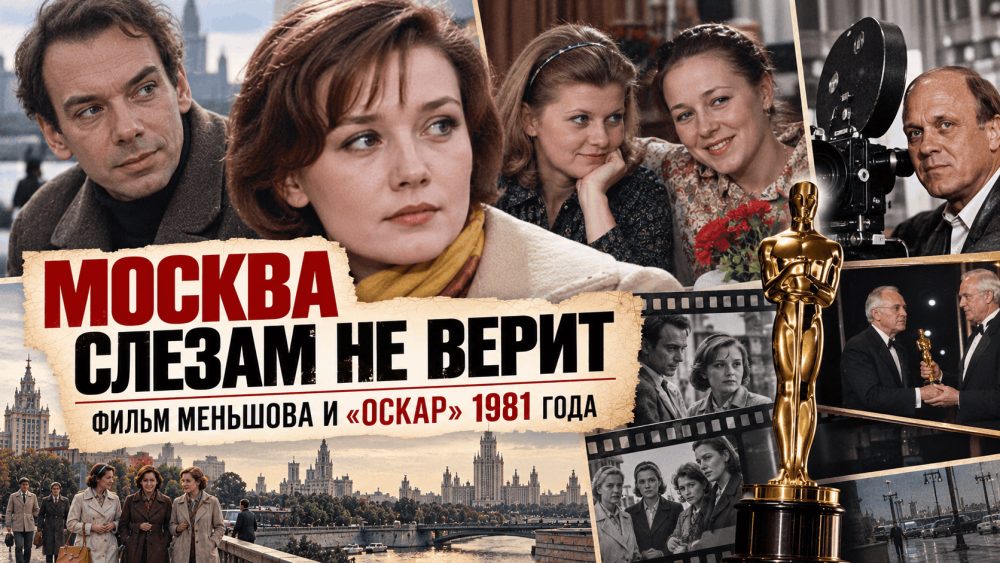
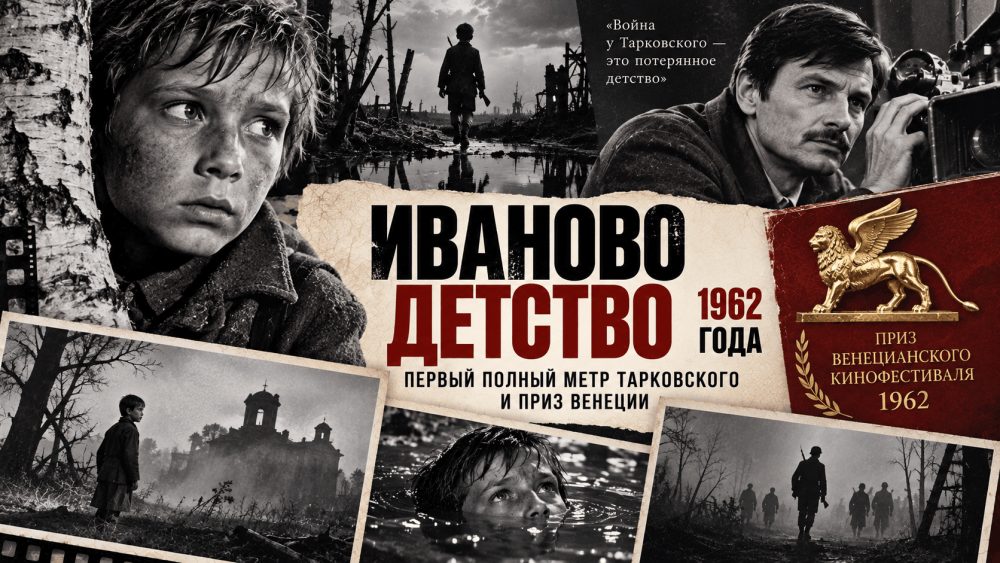
A similar distinction between a film’s year and its award year appears in the history of Moscow Does Not Believe in Tears. Comparisons of international recognition can also draw on The Cranes Are Flying at Cannes and Ivan’s Childhood at Venice. Different festivals and ceremonies should not be collapsed into a single generic prize.
Distinctions worth keeping in mind
The film year and the ceremony year. They are related but need not coincide.
The historical person and the screen character. An adaptation creates a dramatic form; it does not replace the full body of historical evidence.
The director and the production. A Japanese filmmaker does not exclude Soviet participation. Collaboration is part of what makes the picture’s history distinctive.
An award and a personal response. A prize records a jury’s or academy’s decision. It helps explain recognition but does not require every viewer to experience the film in the same way.