Power & Politics
The Party, the state, its leaders, repression and foreign policy.
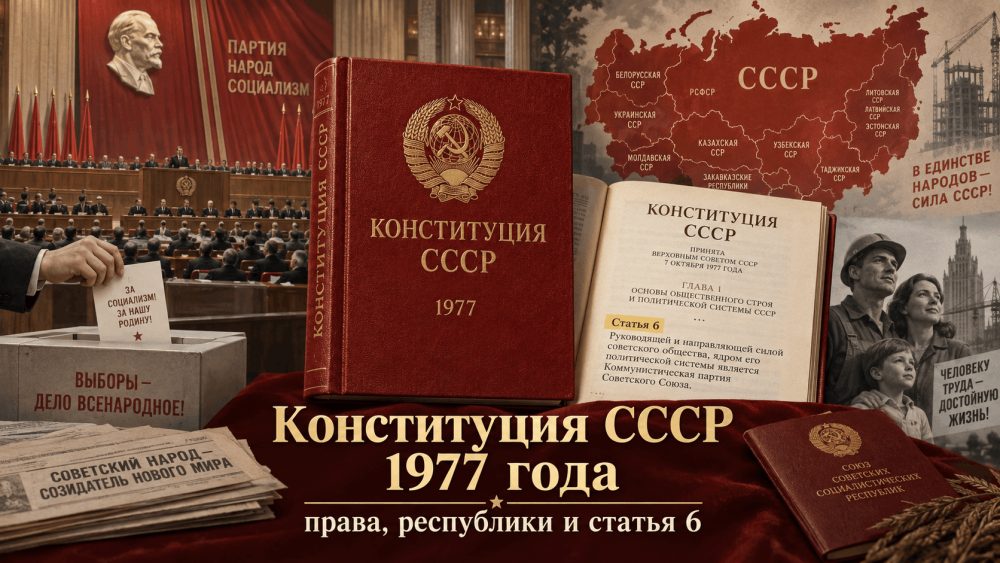
The 1977 Soviet Constitution: Rights, Republics and Article 6
Explore the 1977 Soviet Constitution, its social rights, the CPSU’s role and the republics. Learn how the original wording differed from the 1990 amendments.
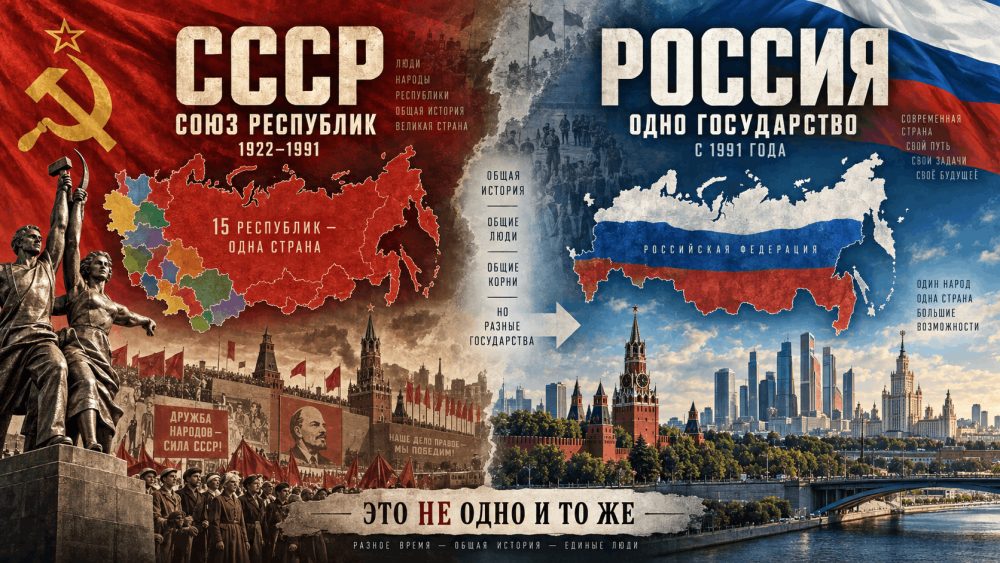
USSR vs Russia: What Was the Difference?
The USSR and Russia are often used as synonyms, but historically they were not the same. Russia was the largest of 15 Soviet republics, while the USSR was a separate multinational state that existed from 1922 to 1991.
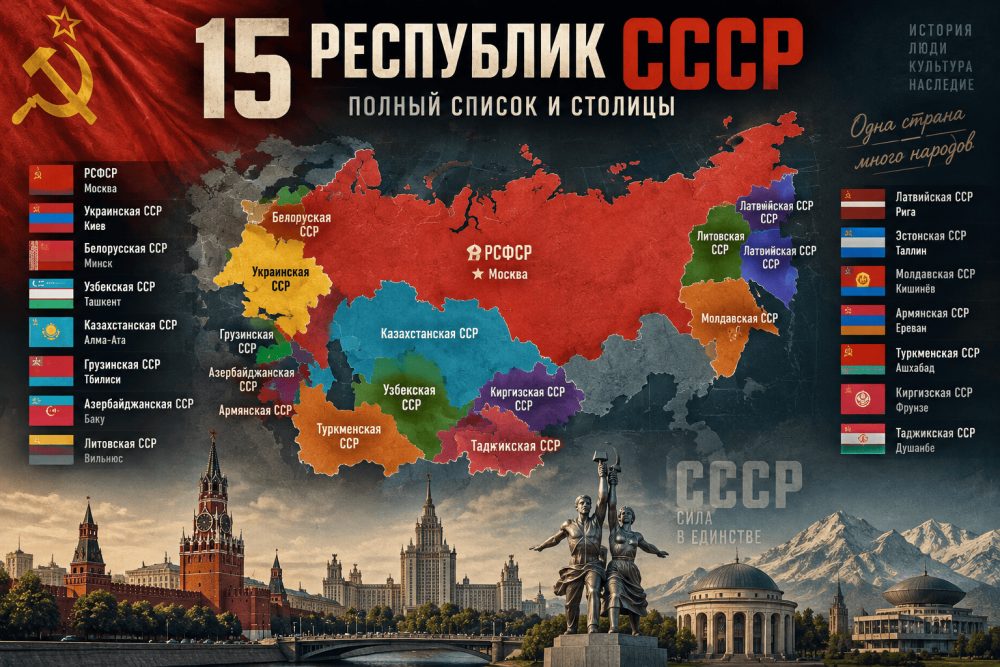
15 Republics of the Soviet Union: List, Capitals and What Happened After 1991
Which republics made up the Soviet Union, why were there 15 of them, and was that number always the same? A full list of the union republics, their capitals and what happened in 1991.
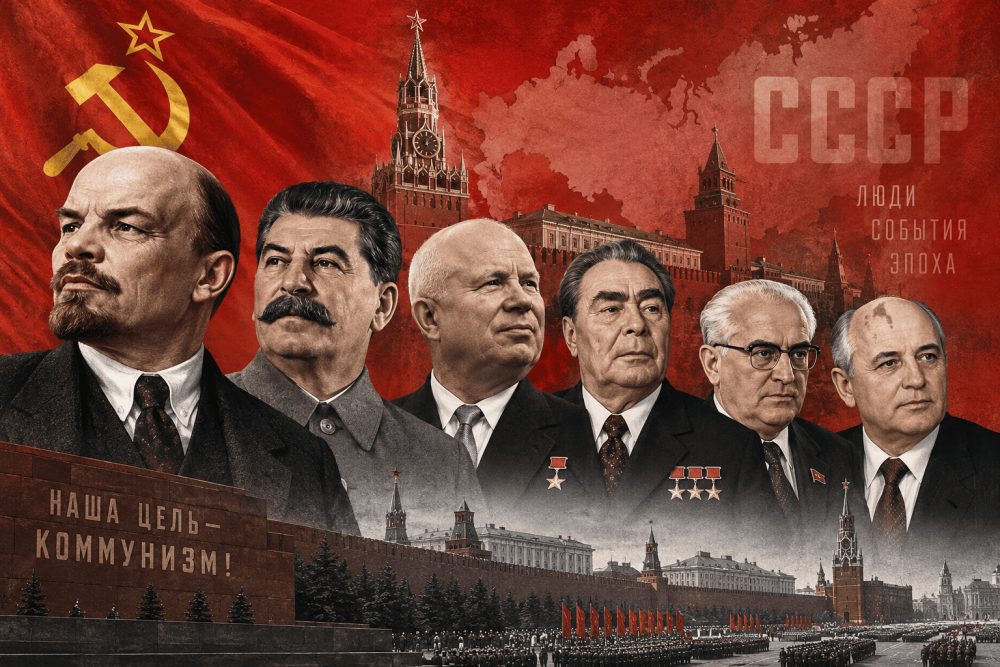
Soviet Leaders in Order: From Lenin to Gorbachev
Who actually led the Soviet Union, and why do lists of Soviet leaders sometimes differ? From Lenin and Stalin to Andropov, Chernenko and Gorbachev, with dates, offices and the story of each succession.
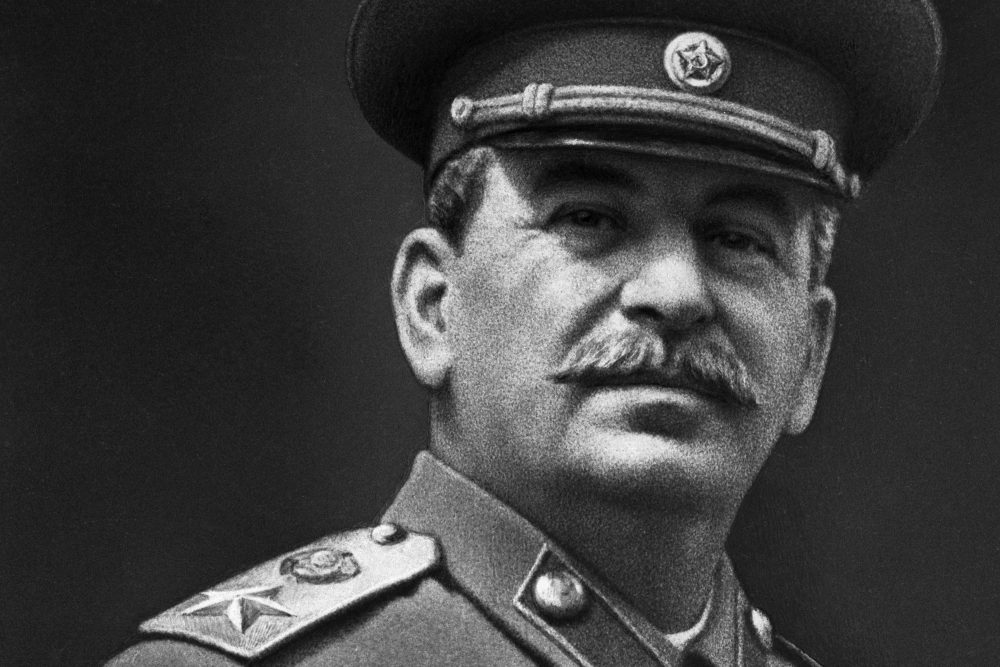
Joseph Stalin: industrialization, terror and victory in war
Stalin led the USSR for almost 30 years. Under him the country became a superpower and defeated Nazism — and under him came collectivization, famine and mass repression. A detailed, honest account.
The dissolution of the USSR: how a superpower vanished in 1991
In December 1991 the Soviet Union ceased to exist, breaking apart into 15 states. Why it happened, the role of perestroika, the coup and the Belovezha Accords — and why it is still debated.
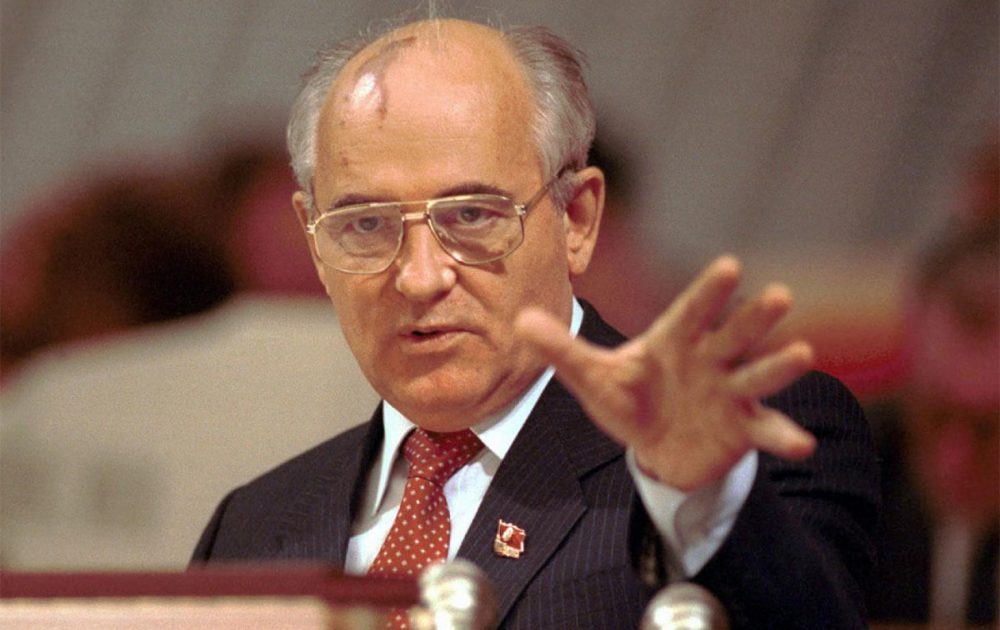
Mikhail Gorbachev: perestroika, glasnost and the end of the USSR
The last Soviet leader set out to save his country through reform — and ended up watching it vanish. Perestroika, glasnost, the end of the Cold War, and the most divided legacy of the century.
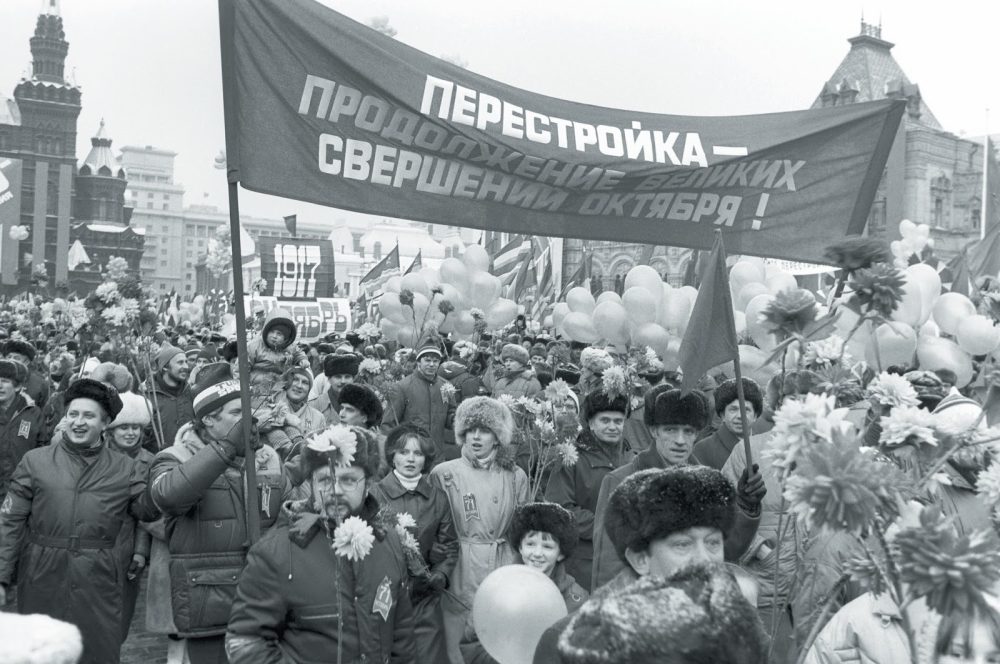
Perestroika and glasnost: the reforms that changed everything
Two Russian words the whole world learned untranslated in the 1980s. How an attempt to repair socialism opened the country's mouths and archives, emptied its shelves — and ended with the disappearance of the country itself.
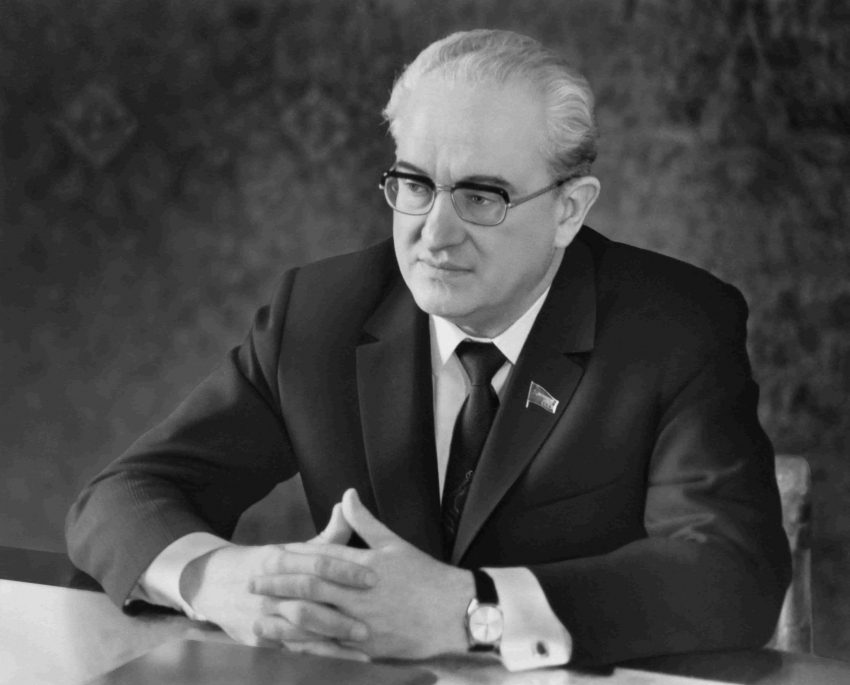
Yuri Andropov: the KGB man's fifteen months in power
For fifteen years he ran the KGB; for fifteen months, the country. The persecutor of dissidents with a reputation as an intellectual, who began restoring order with police raids on cinemas — and opened the door for Gorbachev.
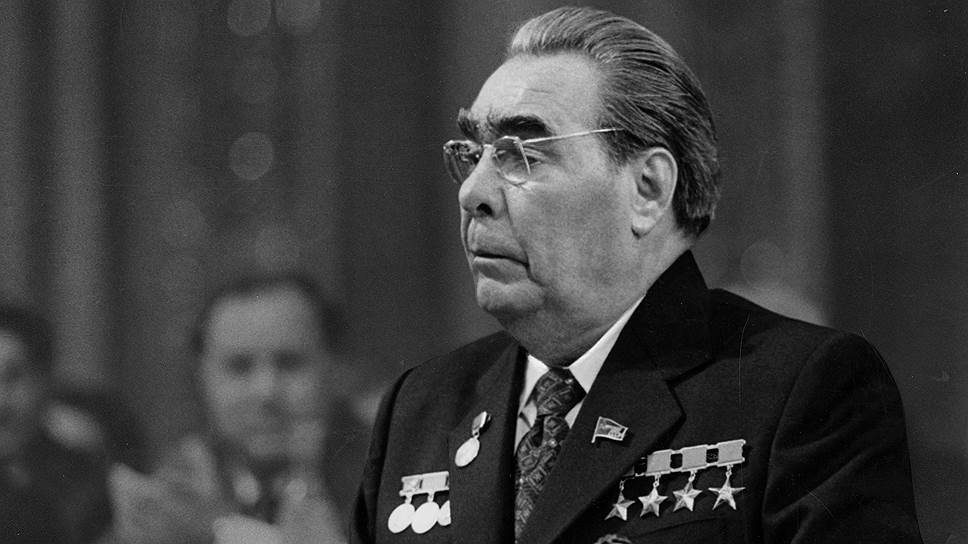
Leonid Brezhnev: the era of stagnation, détente and Afghanistan
Brezhnev ruled the USSR for 18 years — longer than anyone but Stalin. The peak of Soviet power and a "golden stability" to some, stagnation and the roots of collapse to others. An honest portrait of an era.
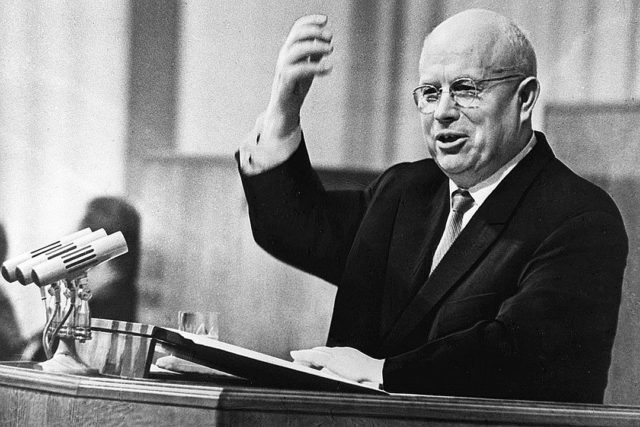
Nikita Khrushchev: de-Stalinization, the Thaw and the Cuban crisis
He denounced Stalin, freed millions of prisoners and put the first man in space — and brought the world to the brink of nuclear war. An honest portrait of the most contradictory Soviet leader.
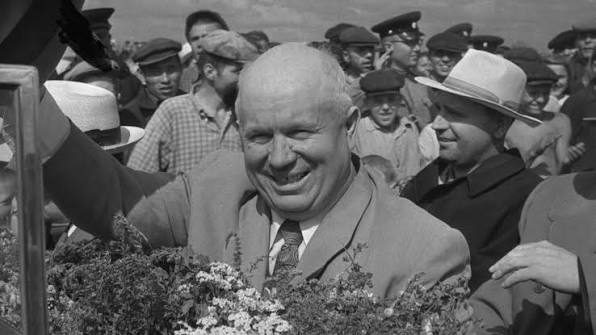
The Khrushchev Thaw: ten years when the country learned to breathe
A word from an Ehrenburg novella that Khrushchev himself could not stand. Millions returning from the camps, poetry filling stadiums, a Gulag story printed in a state journal, and the freezes that followed every warm spell.
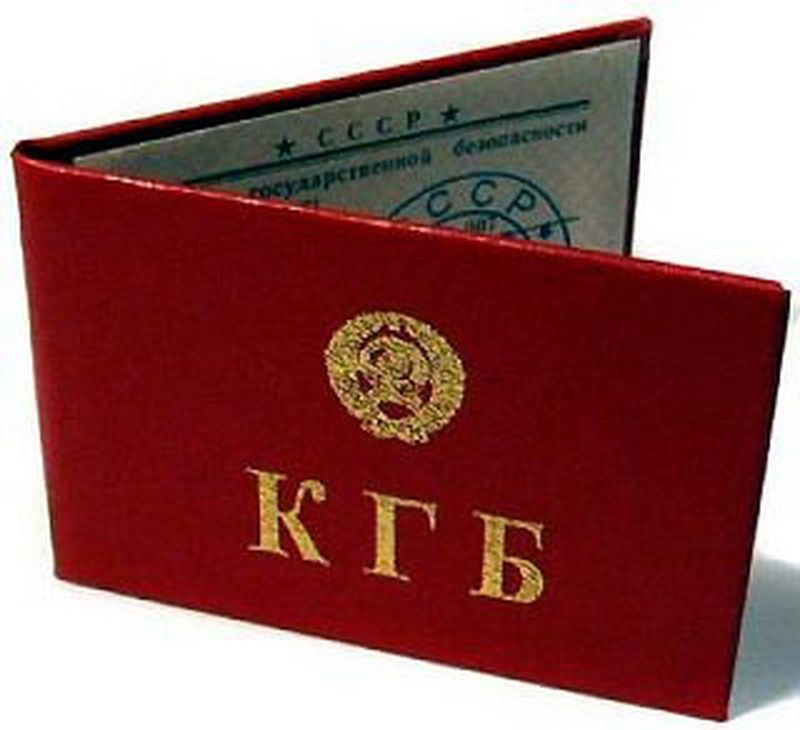
The KGB: sword and shield of Soviet power
Three letters the whole world knew. The largest security service on Earth: an intelligence agency that beat the CIA at its own game — and a political police that spied on its own people. Both truths, in one story.
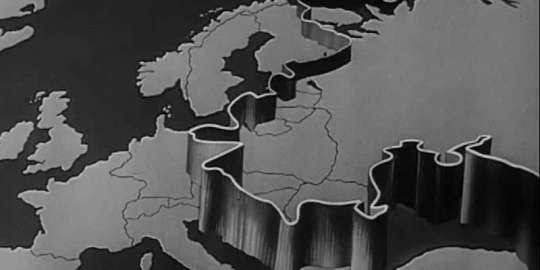
The Iron Curtain: the border that split Europe for 45 years
A metaphor from a single speech that became a real border of concrete, barbed wire and minefields. What the Iron Curtain was, where the phrase came from — and how the curtain collapsed in one summer of 1989.
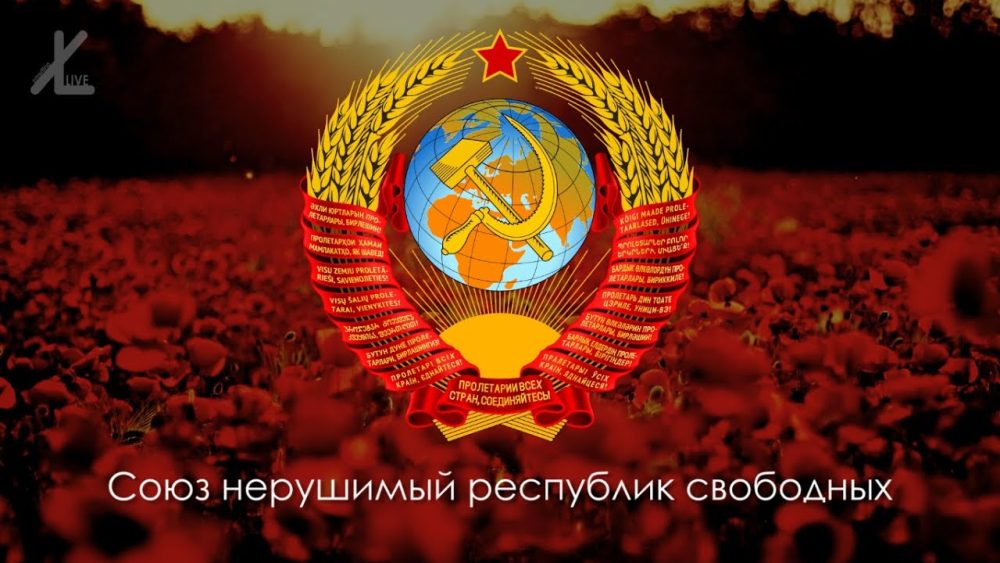
The Soviet anthem: the melody that outlived its country
A contest with 200 entries, Stalin's overnight edits, two decades without words and three sets of lyrics by one poet. The story of the music still heard in stadiums today — now as the anthem of another country.
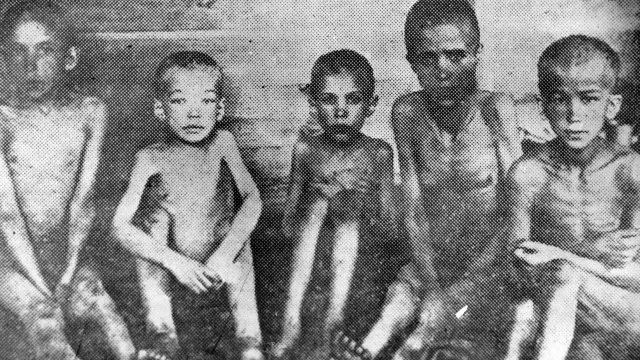
The Holodomor: the famine of 1932 and 1933
Millions dead in peacetime in one of Europe's most fertile lands. What is documented about the famine of 1932 and 1933, what historians still argue about, and why the word itself was banned for half a century.
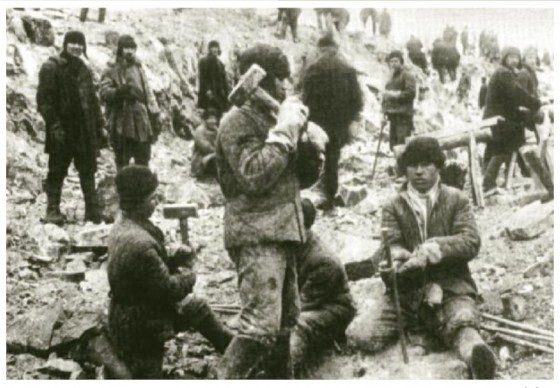
The Gulag: an archipelago of forced labor
Five letters that became the name of an entire system: hundreds of camps from the Solovetsky Islands to Kolyma, some 18 million people who passed through them, and cities that grew out of barracks. What the Gulag was — precisely, without myths.
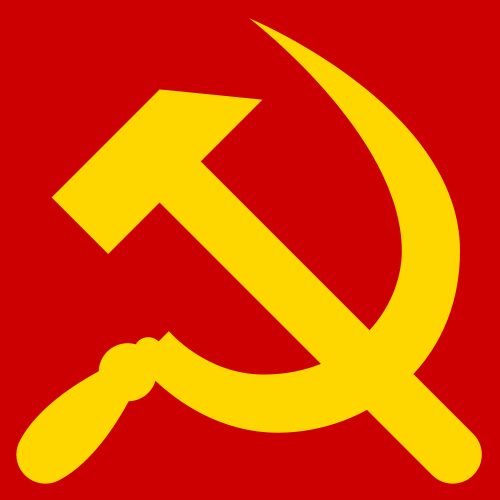
The hammer and sickle: what the USSR's main symbol really means
Two crossed tools recognized anywhere on the planet. Who designed the hammer and sickle, why Lenin struck the sword from the draft, what the star above them means — and why the symbol flies on some countries' flags while others have banned it.
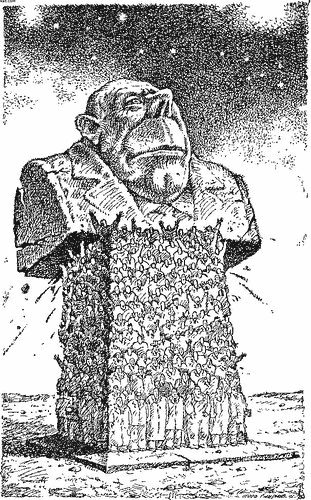
The nomenklatura: the class that officially did not exist
One and a half percent of the population, quietly ruling the rest. Special shops without lines, state dachas behind high fences, and posts passed on almost by inheritance. The story of the ruling class of a country that officially had no classes at all.
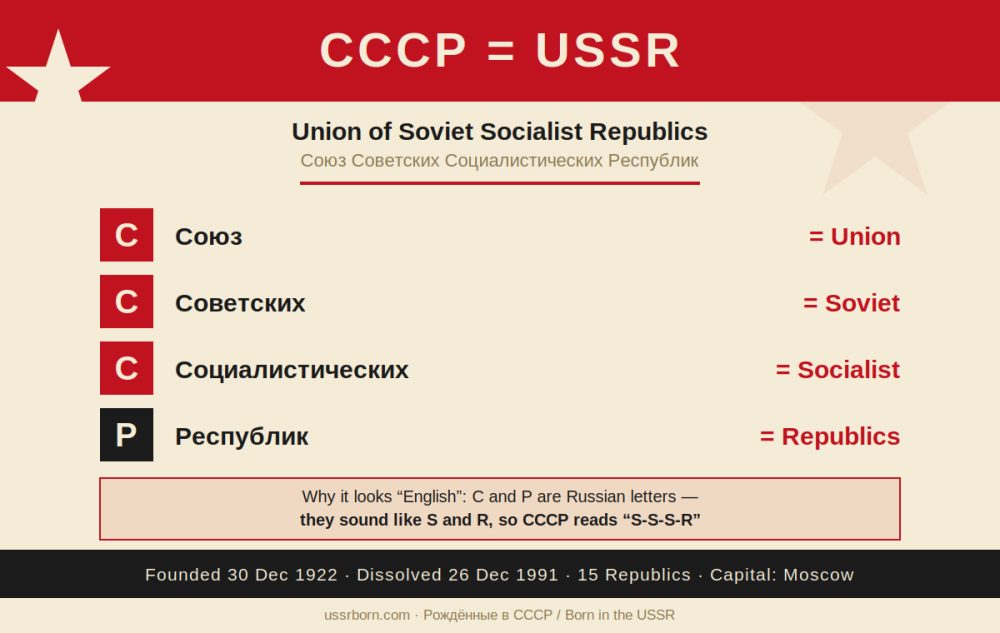
CCCP Meaning: What CCCP Stands For (It's the USSR)
CCCP is the Russian (Cyrillic) way of writing USSR — the Union of Soviet Socialist Republics (СССР). What the four letters mean, how to say it, why it looks like English, and why you see it everywhere.
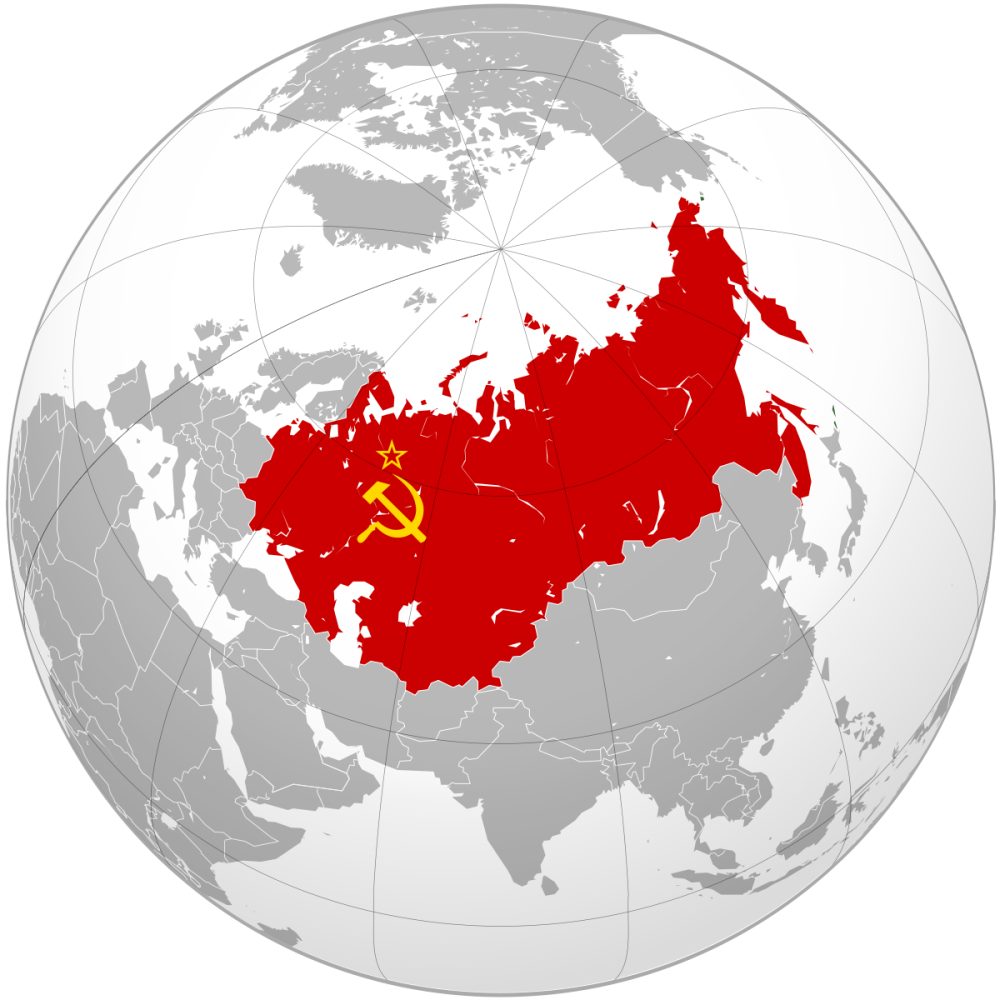
The founding of the USSR: 30 December 1922
In late 1922 four Soviet republics united into a single state — the Union of Soviet Socialist Republics.
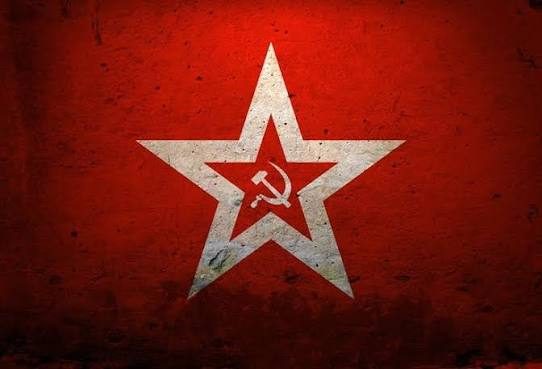
The red star: five rays over one sixth of the earth
Tin stars of the Moscow garrison painted red, a novel about communism on Mars, and a beer brand that hid its own star for forty years. The story of the sign that rose over the Kremlin and has never come down.
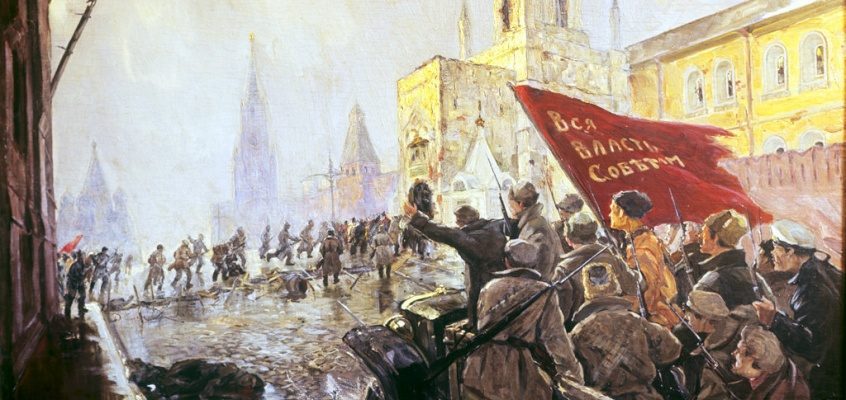
The October Revolution of 1917: how the Bolsheviks took power
In October 1917 the Bolsheviks overthrew the Provisional Government and created the world's first socialist state. How it really happened, why the storming of the Winter Palace is a myth, and whether it was a revolution or a coup.
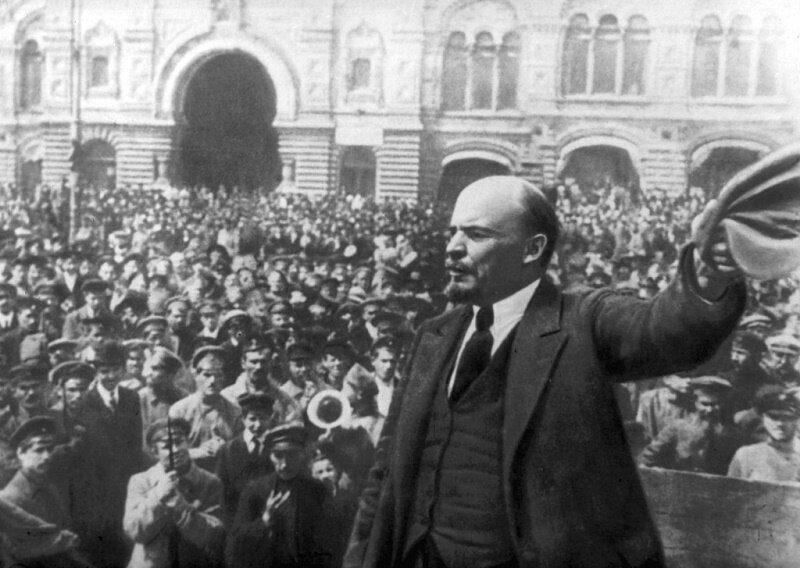
Vladimir Lenin: the man who created the Soviet state
Founder of the Bolshevik Party, leader of the 1917 revolution and first head of the Soviet state. A full and honest account of the life, deeds and contested legacy of Vladimir Lenin.
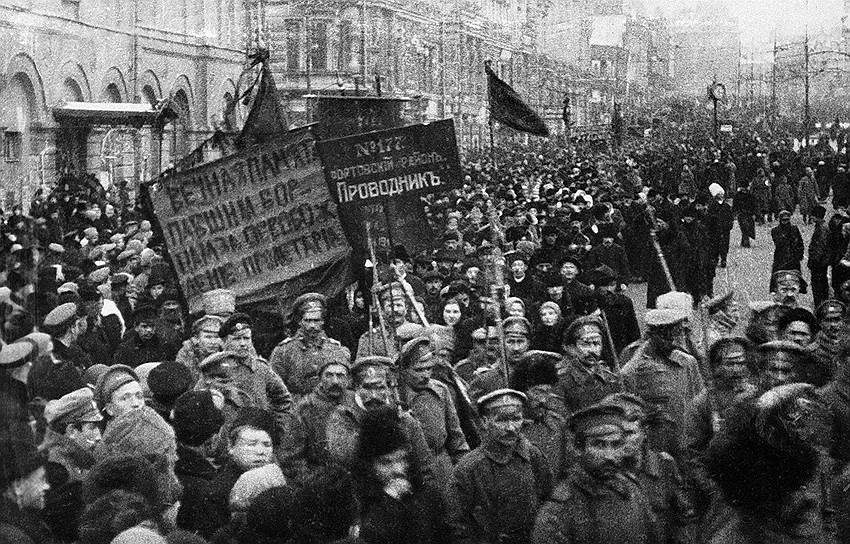
The Russian Revolution of 1917: from February to October — a full overview
In a single year, 1917, Russia went through two revolutions: February toppled the tsar, October brought Lenin's Bolsheviks to power. The causes, the events and the consequences that shaped the whole 20th century — in one picture.