The 1987 INF Treaty: Missile Elimination and Verification
What the INF Treaty covered, how its missile-range categories differed, how elimination was verified and why 2,692 refers to missiles rather than warheads.
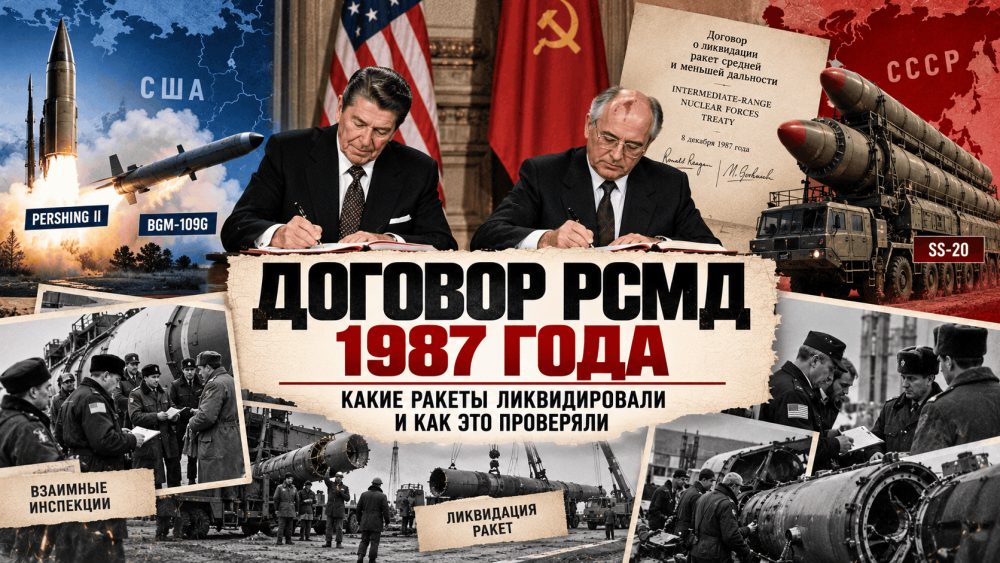
On 8 December 1987, Mikhail Gorbachev and Ronald Reagan signed the Intermediate-Range Nuclear Forces Treaty in Washington. The INF Treaty produced an unusually concrete commitment: the parties would eliminate specified missile classes rather than merely place ceilings on their numbers. Understanding its importance requires three questions: which systems were covered, what elimination meant and how compliance could be checked.
What the 500-5,500 kilometre range meant
The treaty text addressed ground-launched ballistic and cruise missiles serving as weapon-delivery vehicles. It defined two categories precisely:
- Shorter-range missiles: a range of at least 500 and no more than 1,000 kilometres.
- Intermediate-range missiles: a range greater than 1,000 and no more than 5,500 kilometres.
A missile with a range of exactly 1,000 kilometres therefore belonged to the first category. The familiar shorthand “500-5,500 kilometres” describes the combined span but does not replace the document’s internal definitions.
The word “ground-launched” is equally important. The treaty did not automatically prohibit every missile capable of travelling those distances: its mode of basing mattered. Nor was this a worldwide prohibition binding every state. Two parties accepted obligations concerning specified categories of their systems.
The English name can also mislead. Because it contains the word “Nuclear,” a reader might assume that replacing a nuclear warhead with a conventional one would remove a missile from the agreement. The treaty’s definitions of weapon-delivery vehicles did not provide such a simple exemption. The relevant category must be examined rather than inferred solely from the payload a missile might carry.
Which systems were named
Article III listed, among others, the American Pershing II and BGM-109G and the Soviet RSD-10, R-12 and R-14. It supplied designations used by both sides: RSD-10, for example, corresponded to the American designation SS-20. The shorter-range list included Pershing IA, OTR-22 and OTR-23.
This was not a catalogue of every missile fielded during the Cold War. The list described the subject of a particular agreement. Saying simply that “INF destroyed Soviet and American missiles” is consequently too broad. Intercontinental systems and other delivery vehicles cannot be folded into its results without checking whether they belonged to the treaty’s scope.
Signature and entry into force were different milestones
The treaty entered into force on 1 June 1988. The Arms Control Association’s treaty summary distinguishes that date from signature. Under the text, intermediate-range missiles were to be eliminated within three years of entry into force. The deadline for shorter-range missiles was eighteen months.
The obligations were not confined to deployed missiles. Non-deployed systems and the relevant launchers also formed part of the elimination process. Specified support equipment and structures had to be dealt with under agreed procedures. Removing a missile from operational duty and placing it in storage was therefore not equivalent to fulfilling the whole agreement.
By the end of the reductions period in June 1991, 2,692 ballistic and cruise missiles had been destroyed. A Brookings study by participants in the negotiations records that total. The unit being counted is missiles, not nuclear warheads. Substituting one for the other changes the meaning of the result.
A useful distinction follows: a limit allows a defined quantity to remain, whereas elimination requires the covered items to be removed through the specified process. That difference explains why the treaty’s significance cannot be captured by describing it merely as another numerical ceiling.
How verification worked
The agreement combined several forms of checking. Article IX established data exchanges and notifications, giving the parties an agreed basis for identifying relevant items and tracking changes. Articles X and XI linked elimination to procedures and on-site inspection. Article XII provided for national technical means of verification, while Article XIII created a Special Verification Commission to address compliance and implementation questions.
Consider a basic verification problem. One party says that certain missiles no longer exist. That statement is difficult to assess if the other party lacks an initial inventory, receives no notifications and has no means of checking what happened. This is why provisions that look administrative are central to the agreement. Data, deadlines and procedures make a political promise into an obligation that can be examined.
This did not mean inspectors could go anywhere without restrictions. The agreement and its protocols defined rights, locations, periods and numbers of inspections. In particular, the Article XI right to conduct certain inspections lasted thirteen years after entry into force. That was a separate period from the three-year elimination timetable and from the lifetime of the treaty itself.
The distinction is worth keeping in mind when reading retrospective accounts. The completion of destruction, the end of a particular inspection entitlement and the termination of an agreement are different events. A single date cannot stand in for all three.
How INF differed from other agreements
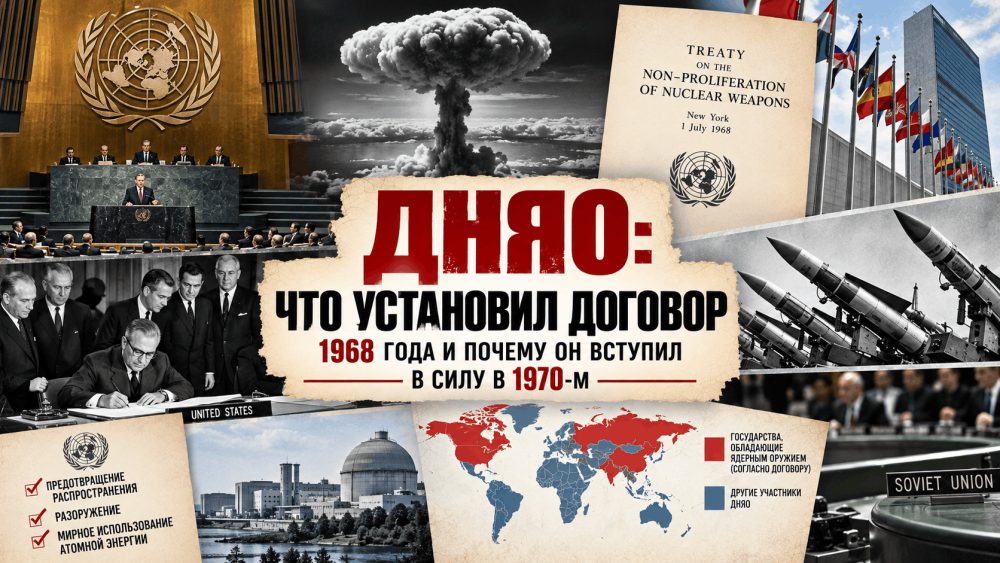
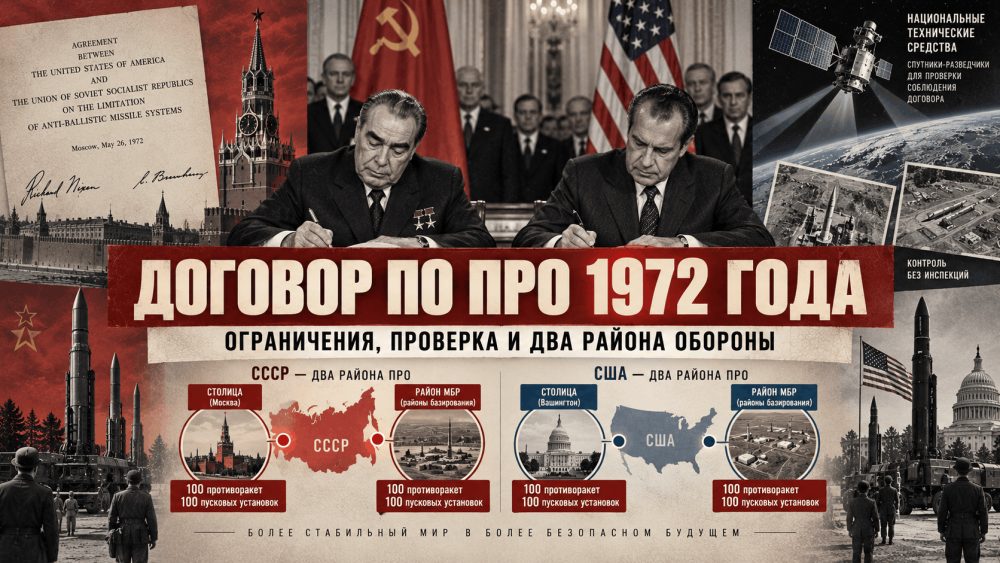
The 1972 Anti-Ballistic Missile Treaty addressed another category of systems: missile defence. The Nuclear Non-Proliferation Treaty had a different membership and a different set of obligations. These agreements belonged to a wider security debate, but they were not alternative names for one prohibition.
For political context, the biography of Mikhail Gorbachev and an overview of the Cold War provide broader starting points. The INF text nevertheless deserves to be read separately from an assessment of either leader. Definitions, procedures and measurable results can be examined regardless of a reader’s view of the signatories.
This approach also avoids treating a summit photograph as the whole history of arms control. Signing was a visible event; carrying out the agreement depended on years of less visible work. Both belong to the historical account, but they answer different questions.
When the treaty ended
The INF Treaty ended on 2 August 2019, a date recorded in NATO’s announcement concerning its demise. Here that source establishes the date of the event; it is not being treated as a neutral adjudicator of the parties’ competing allegations.
Termination does not undo missile elimination that already took place. Equally, a historical achievement does not mean the treaty’s restrictions remain in force. Both statements can be true: the agreement produced a measurable result in 1991 and ceased to operate in 2019.