Science & Space
The space programme, the atomic project and big science.
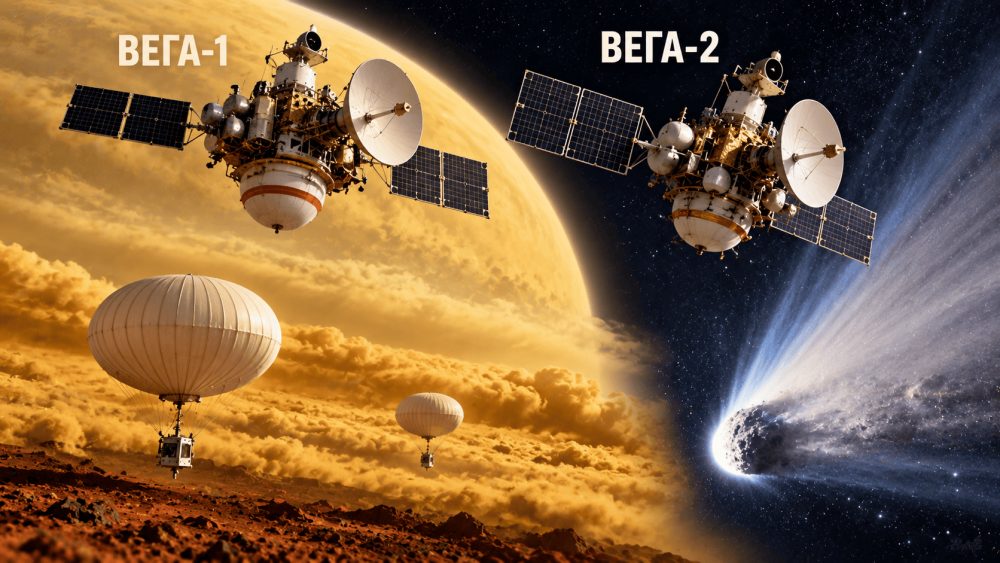
Vega 1 and Vega 2: Venus Balloons and Halley’s Comet
Vega 1 and Vega 2 delivered balloons to Venus before flying past Halley. Their journey linked atmospheric measurements with an international comet campaign.
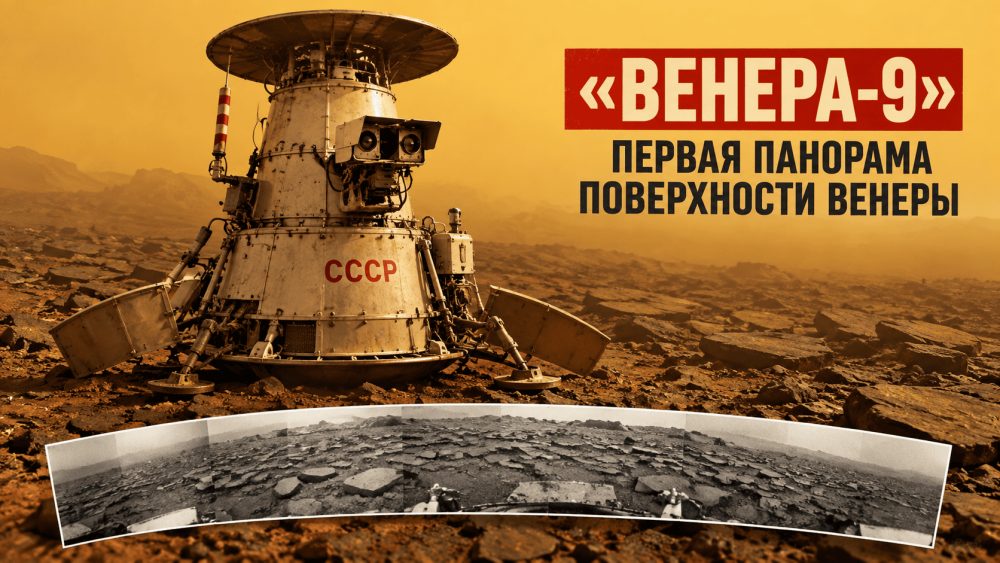
Venera 9: The First Panorama from the Surface of Venus
Venera 9 returned a black-and-white view of Venus on 22 October 1975. The panorama joined a brief surface operation with an orbital science mission.
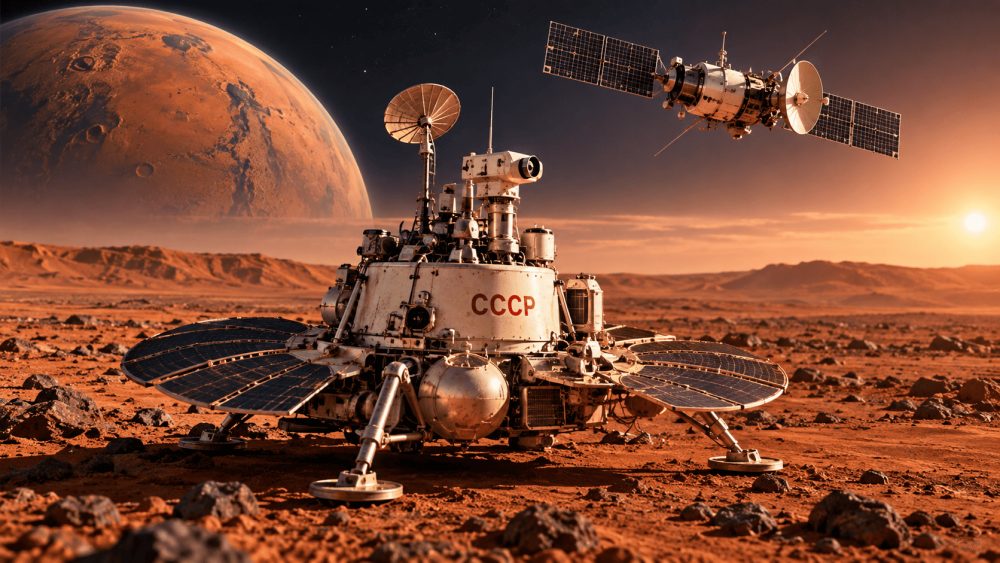
Mars 3: The First Soft Landing on Mars and Lost Contact
Mars 3 soft-landed on 2 December 1971, then fell silent seconds later. Its history separates an engineering first from an unfinished surface mission.
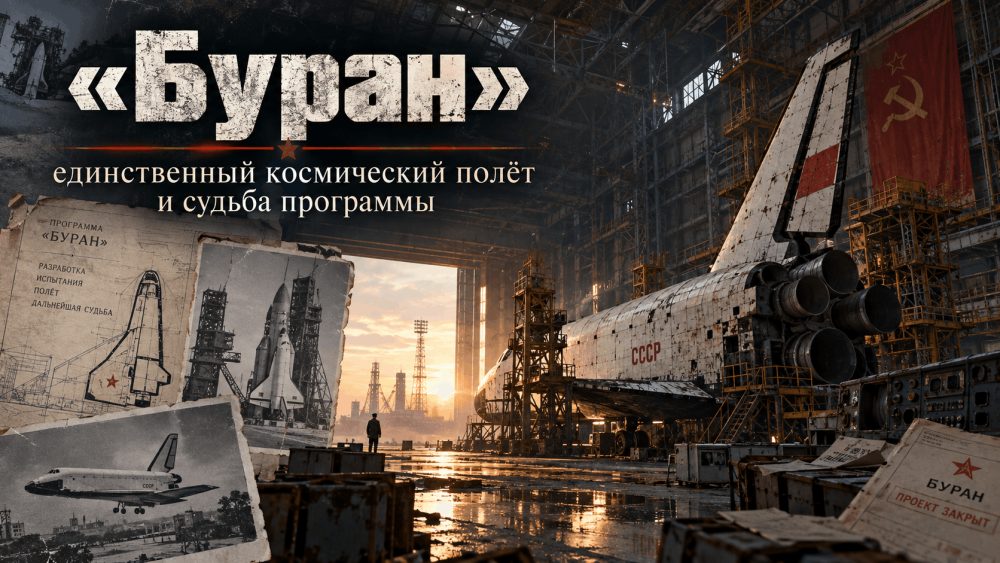
Buran: Its Only Spaceflight and Why the Program Ended
Buran completed two orbits and an automatic landing on 15 November 1988. The flight succeeded, but the Soviet shuttle never entered regular service.
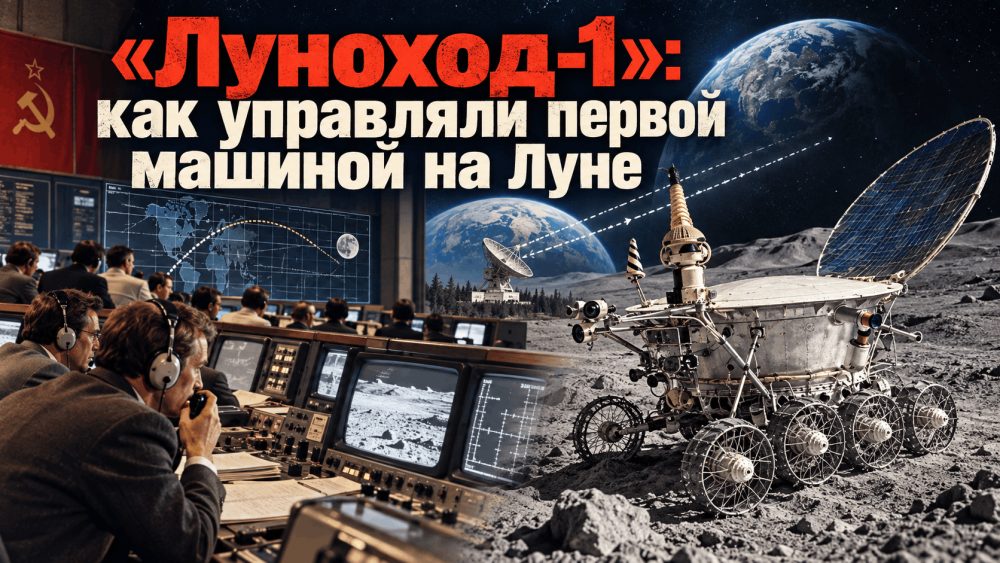
Lunokhod 1: Driving the First Rover on the Moon
Lunokhod 1 explored the Moon under the direction of a team on Earth. Decades after its final drive, its passive reflector found a new scientific role.
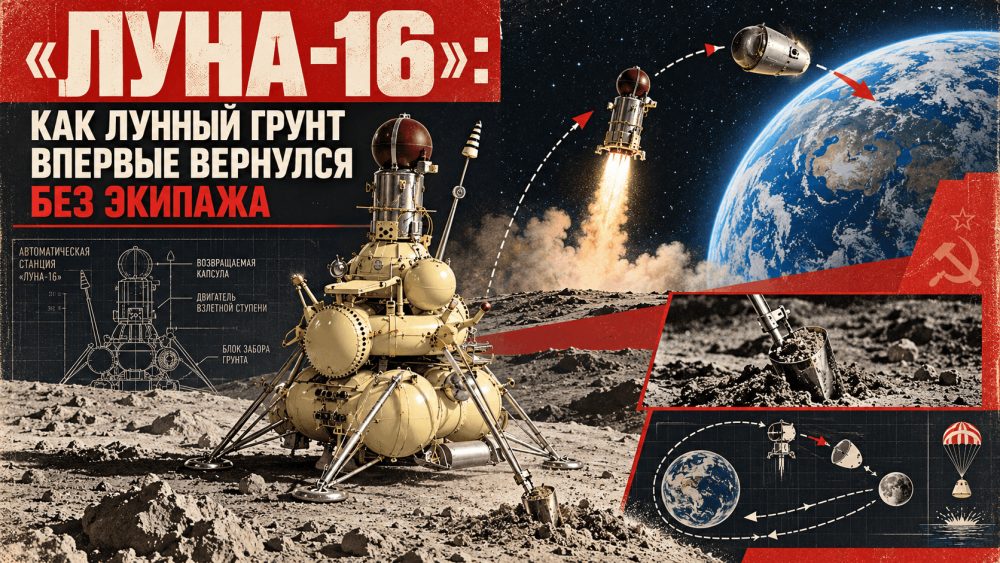
Luna 16: The First Robotic Return of Moon Samples
On 24 September 1970, Luna 16 delivered lunar material to Earth without a crew. Its journey linked a robotic drilling operation with laboratory science.
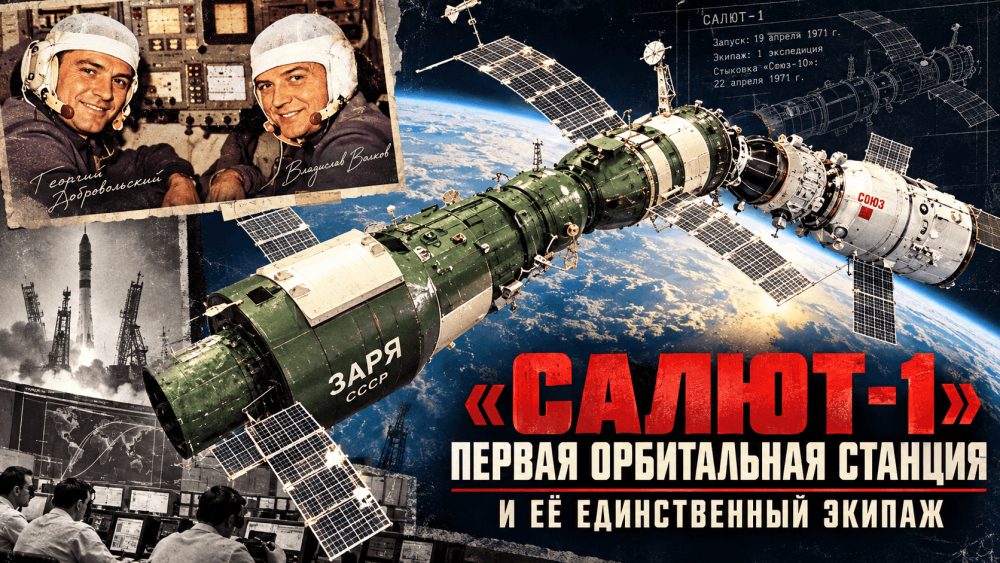
Salyut 1: The First Space Station and Its Only Resident Crew
Launched in 1971, Salyut 1 introduced life and research aboard an orbital station. Its only resident crew made history before the tragedy of Soyuz 11.
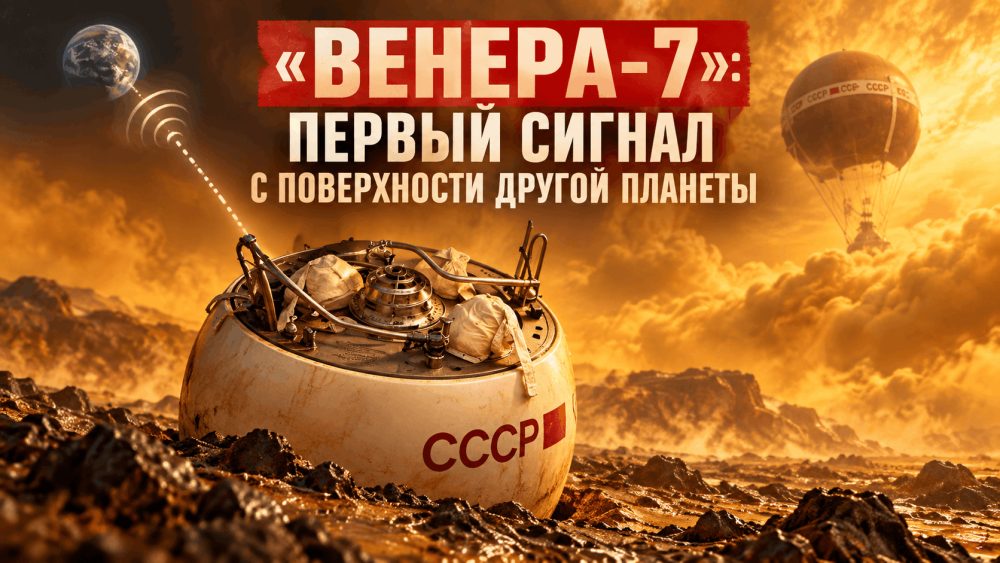
Venera 7: The First Signal from Another Planet’s Surface
Venera 7 reached Venus on 15 December 1970. A faint transmission recovered from the recordings established the first working landing on another planet.
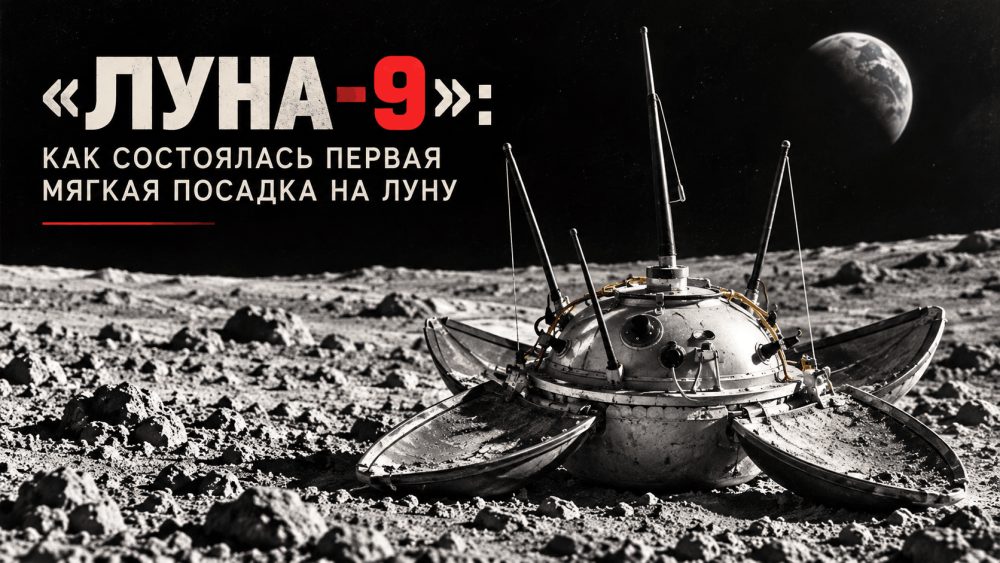
Luna 9: How the First Successful Moon Landing Worked
On 3 February 1966, Luna 9 survived a lunar landing and returned pictures from the ground. Its small capsule answered a practical question about exploring the Moon.
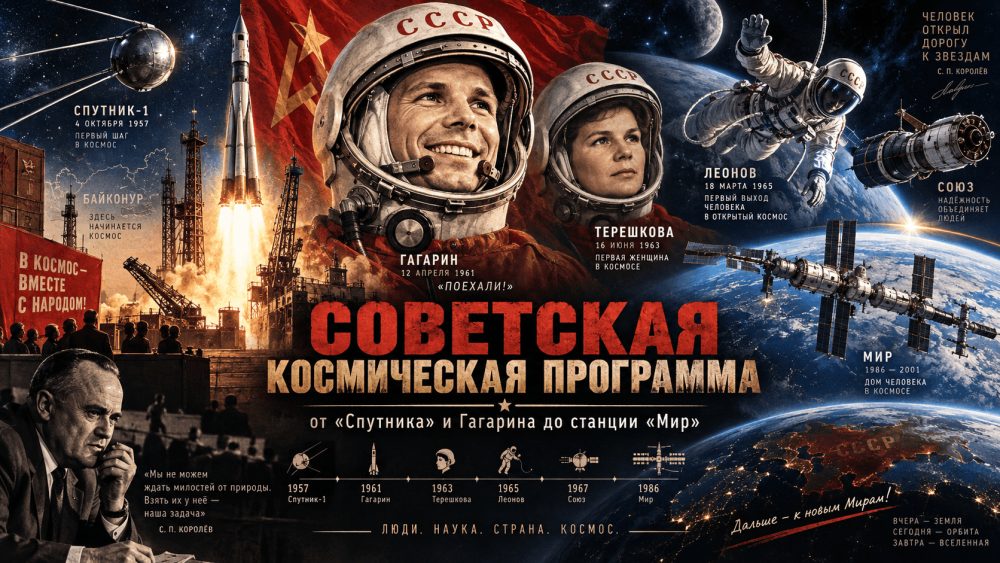
Soviet Space Program: From Sputnik and Gagarin to Mir
The USSR launched the first satellite, sent the first human into space and built the first space station, but lost the race to land people on the Moon. The full story from the R-7 and Korolev to Mir.
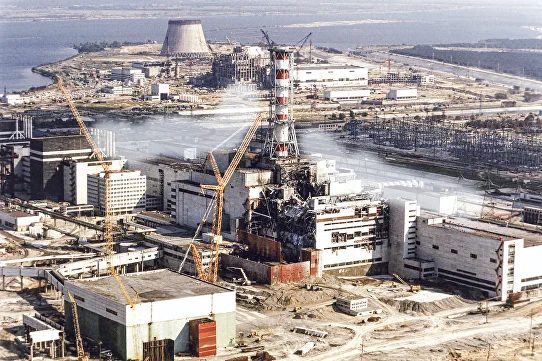
Chernobyl: the worst accident in the history of nuclear power
On 26 April 1986 the explosion at the Chernobyl plant became the worst nuclear accident in history. In depth: what happened, why the authorities stayed silent, how the disaster was cleaned up, and how many were harmed.
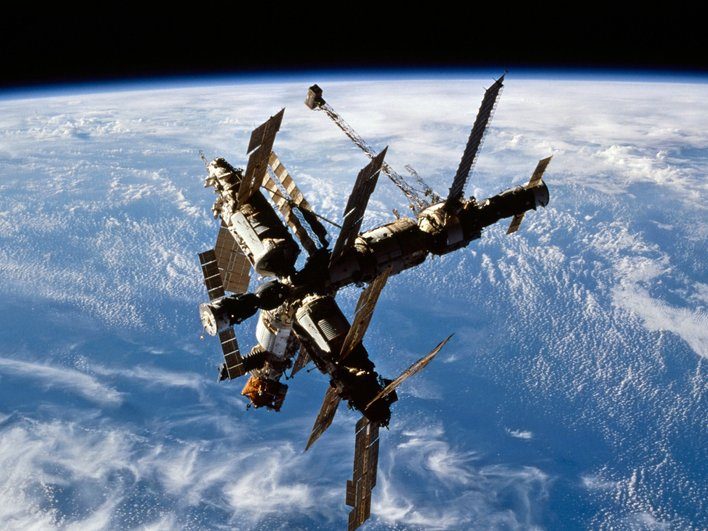
Mir: fifteen years of a home in orbit
It was assembled in space over ten years like a construction set, designed to last five, and served fifteen. The story of the station where a human first lived 437 consecutive days in weightlessness, and where former enemies learned to work together.
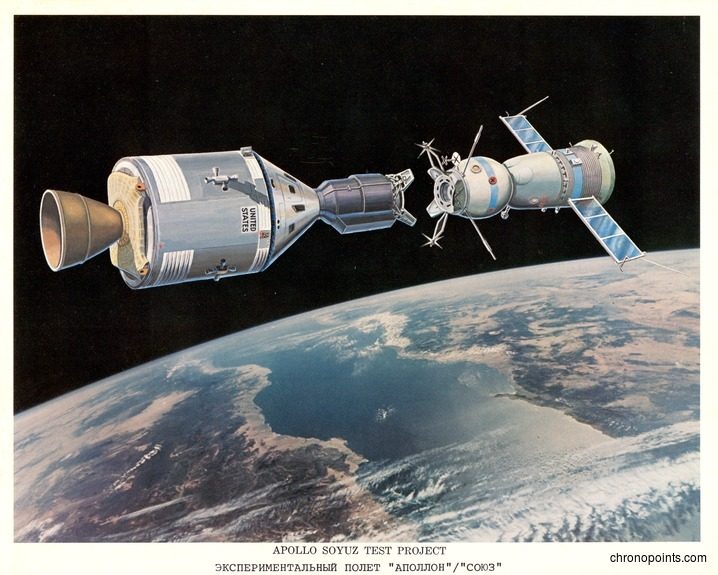
Apollo-Soyuz: a handshake above the planet
Two spacecraft of two enemies docked in orbit, and a hand extended through a hatch over France. How the USSR and the USA flew to space together at the height of the Cold War, why Leonov brought tubes labeled "vodka," and why the ISS would not exist without this flight.
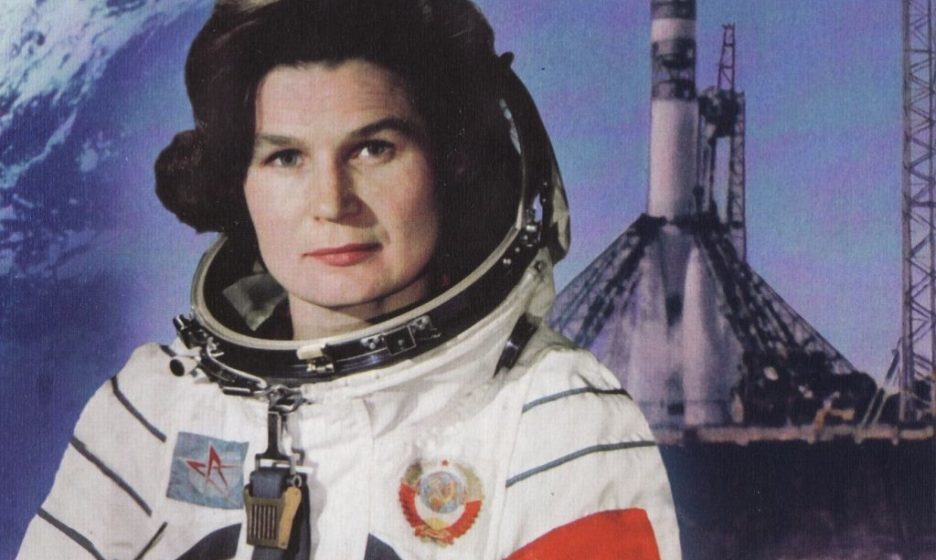
Valentina Tereshkova: the first woman in space
On 16 June 1963 Valentina Tereshkova, aboard Vostok 6, became the first woman in space. A former factory worker and skydiver — and still the only woman to have flown a solo mission.
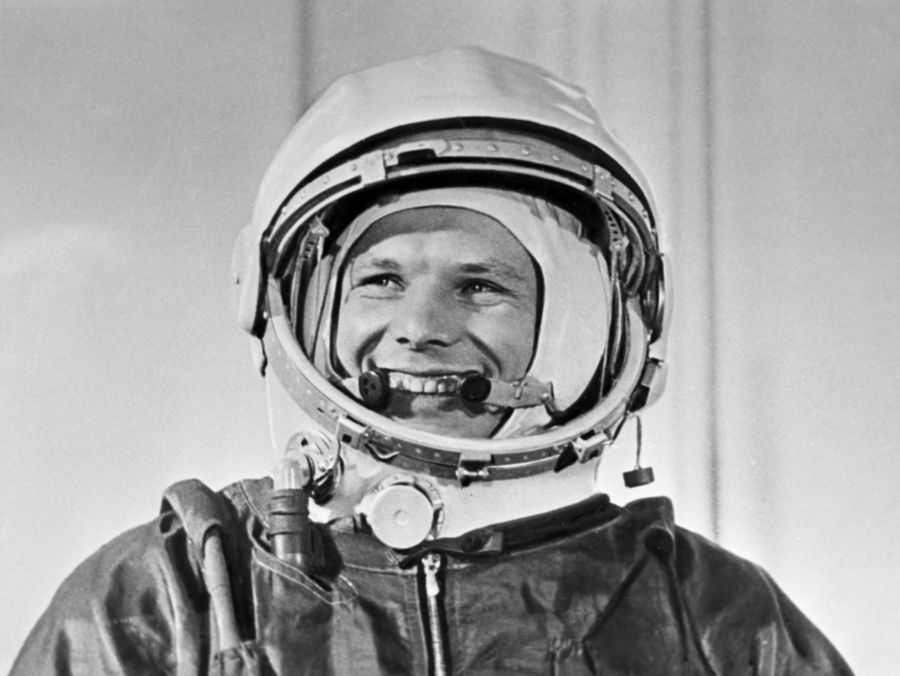
Yuri Gagarin: the first human in space
On 12 April 1961 Yuri Gagarin became the first human in space. His path from a Nazi-occupied village to orbit, a dramatic return, worldwide fame and a mysterious death.
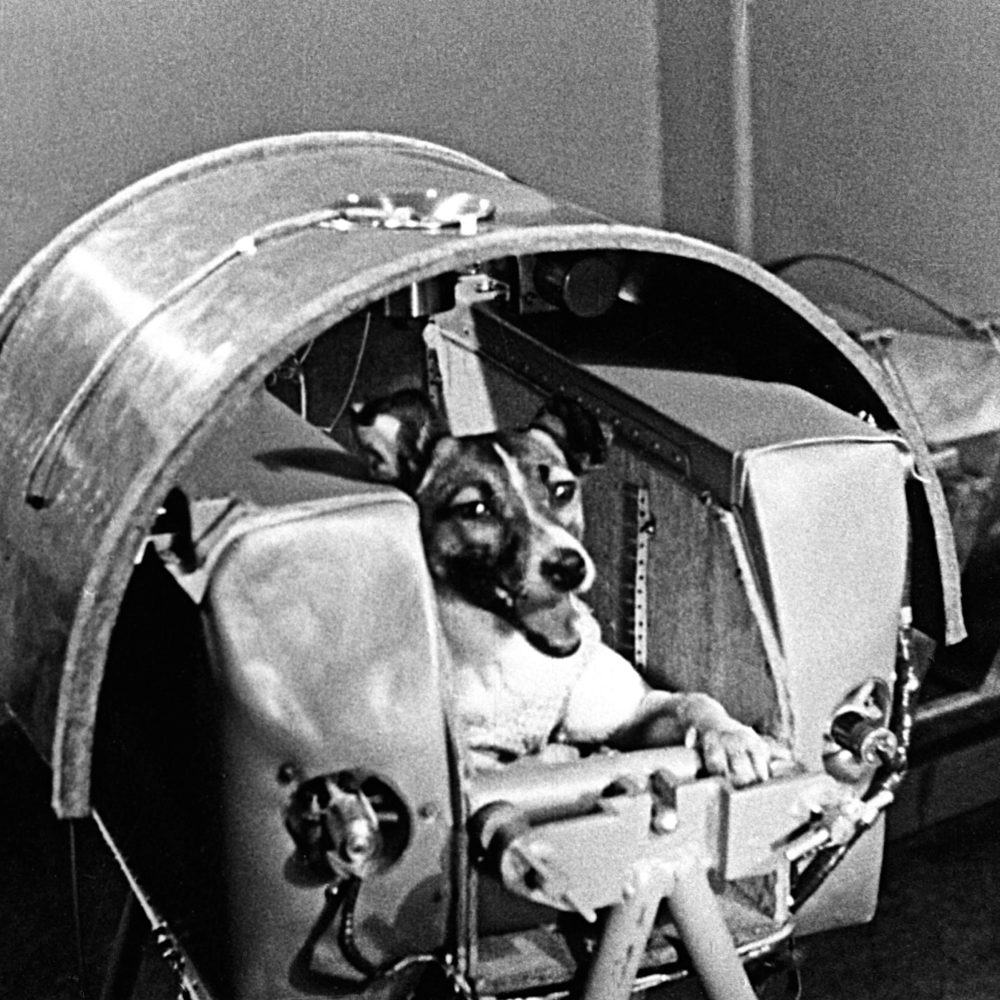
Laika: the first living creature to orbit the Earth
A stray mongrel from the streets of Moscow who became the most famous animal of the 20th century. For half a century the world believed she lived a week in orbit. The truth was shorter and sadder — and it was told only in 2002.
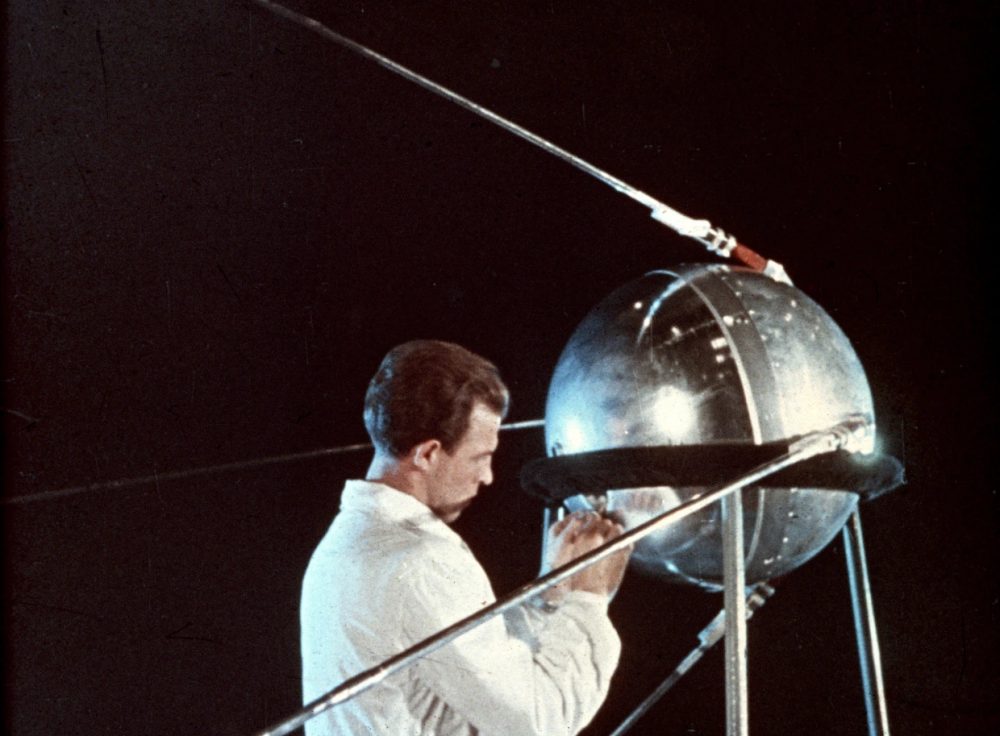
Sputnik 1: the start of the space age
On 4 October 1957 the USSR placed the first artificial satellite of Earth into orbit.