Luna 10: The First Lunar Orbiter Had No Camera
Luna 10’s launch, orbit and gamma-ray instrument, and why it returned no photographs. How the first lunar satellite differed from flybys and landers.
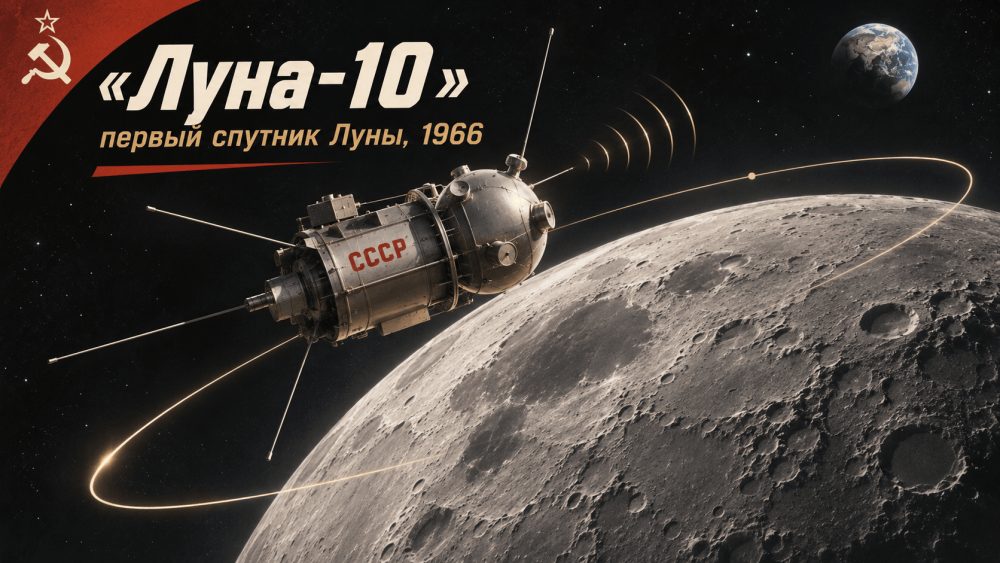
On 3 April 1966, Luna 10 became the Moon's first artificial satellite. Launched on 31 March, the Soviet spacecraft entered lunar orbit several days later. It neither merely passed the Moon nor landed on its surface: it began travelling around it.
That distinction is the basis of its historical first. Luna 10 did not send back photographs of lunar scenery, because it carried no camera. Its scientific observations included radiation measurements, which require a different reading from the familiar story of spacecraft returning pictures.
Three different kinds of lunar mission
Earlier Soviet missions had already achieved other milestones. Luna 3 photographed the far side during a flyby on 7 October 1959. Luna 9 made a soft landing on 3 February 1966. Neither event created an artificial satellite of the Moon.
A flyby observes a body during a passing encounter. A lander operates on its surface. An orbiter repeatedly travels around it, revisiting different parts of the surrounding region over successive revolutions. These are different trajectories and different opportunities for observation.
The words “first lunar mission” therefore need a qualification. First far-side photographs, first soft landing and first artificial lunar satellite describe separate achievements. Luna 10 belongs to the third category.
What its orbit looked like
NASA's HEASARC mission summary gives 31 March 1966 as the launch date and 3 April as the date of lunar orbit insertion. The orbit reached approximately 350 kilometres above the surface at its nearest point and 1,015 kilometres at its farthest. Its inclination was about 72 degrees and its period was two hours and 58 minutes.
The unequal minimum and maximum altitudes describe an elliptical orbit. The spacecraft did not remain at one fixed height above the Moon. The orbital period, meanwhile, refers to the time taken for one revolution, not the duration of the whole mission.
These numbers make “orbiting the Moon” a more concrete statement. They describe the scale of the path and the timing of repeated revolutions. They do not, on their own, establish what scientific conclusions were drawn from the instruments. A trajectory and a research result are different kinds of evidence.
Measurements rather than photographs
HEASARC's account focuses on the gamma-ray spectrometers carried by Luna 10 and Luna 12. For Luna 10, it describes a thallium-activated sodium iodide detector measuring 40 by 40 millimetres, with 32 channels covering an energy range of 0.3-3 megaelectronvolts.
A spectrometer sorts detected radiation by energy. Its output should not be imagined as a photograph of craters, shadows or mountain ridges. In spacecraft histories, an “observation” can mean a measurement that produces no recognisable landscape image at all.
Gamma-ray background measurements were also made during the journey to the Moon. The same account identifies a hardware difference between the two Soviet orbiters: Luna 10's detector was inside the spacecraft, whereas Luna 12's was outside. Even missions appearing together in a scientific reference did not necessarily carry instruments in the same configuration.
This is a useful reason to keep the spacecraft names attached to technical details. A shared programme and a similar instrument category do not make every design feature transferable from one vehicle to another.
Why orbital photographs belong to a later milestone
NASA's history of the Lunar Orbiter programme explicitly notes that Luna 10 lacked imaging equipment. Lunar Orbiter 1 reached lunar orbit on 14 August 1966 and returned the first photographs taken from that orbit. The American imaging achievement followed the Soviet spacecraft's earlier orbital first.
Luna 12, which entered lunar orbit on 25 October that year, also carried out photography. When these missions appear close together in a timeline, it is easy to assume that every early lunar orbiter had a camera. The sources do not support that assumption.
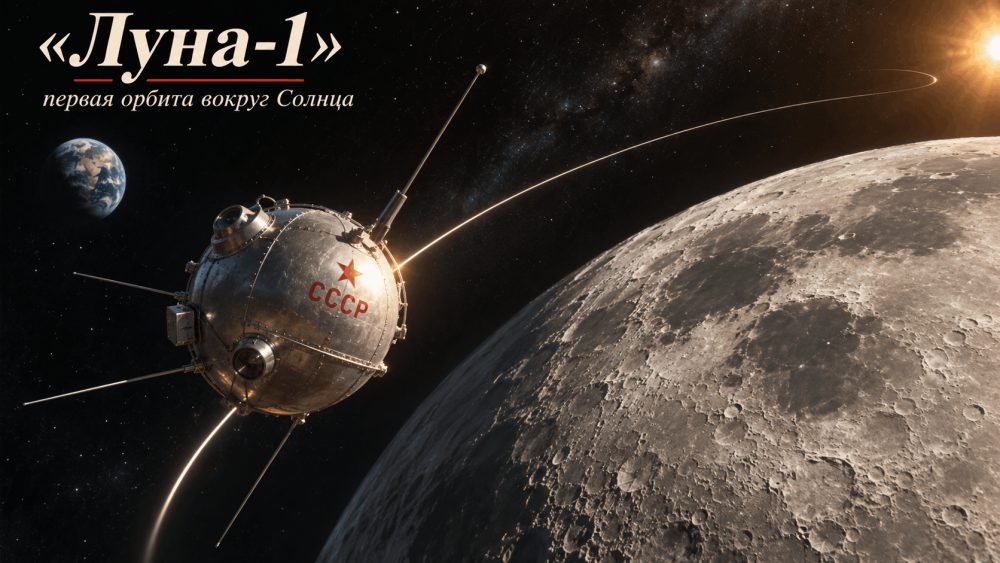
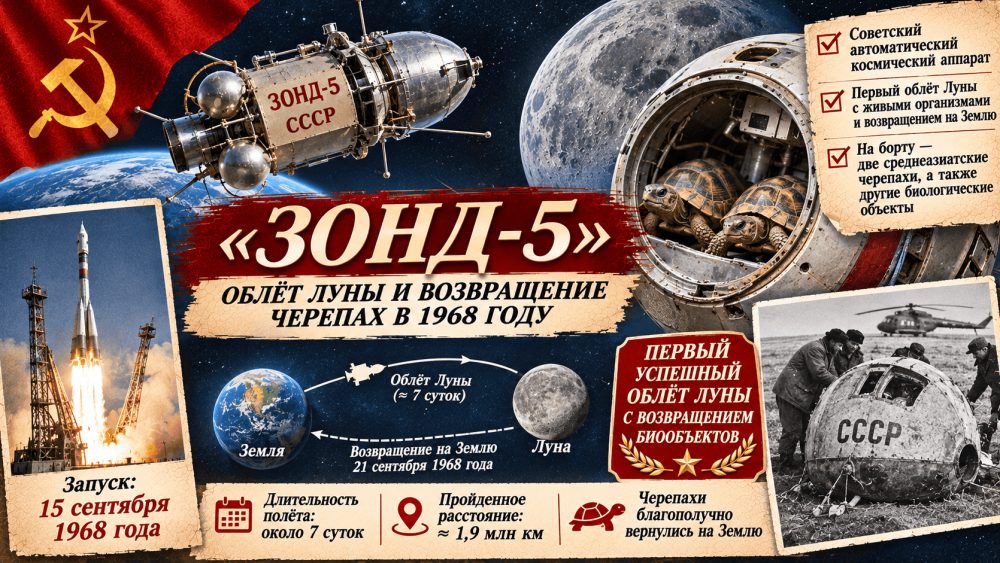
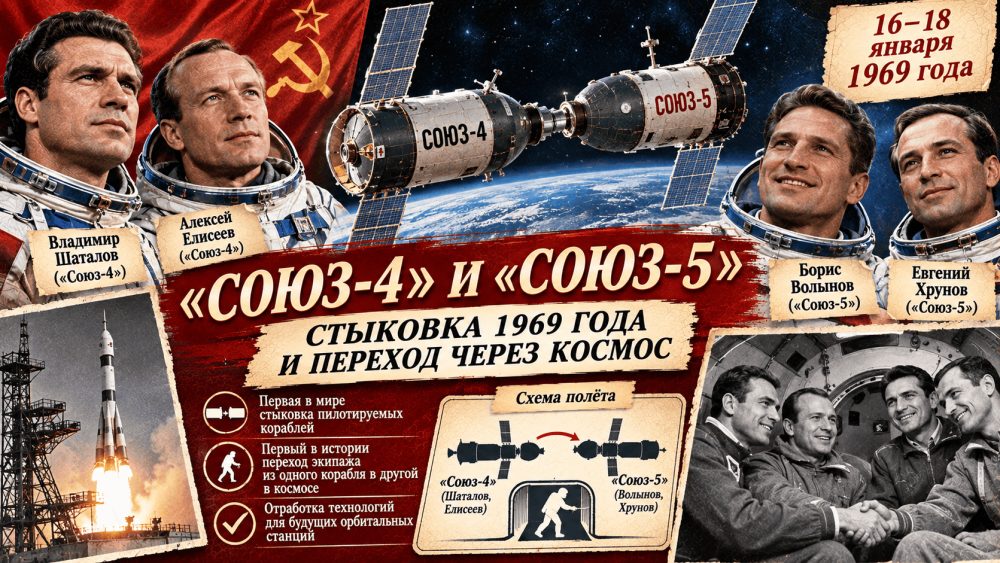
The distinction matters when choosing illustrations. A picture of the Moon can help explain the setting without being a picture made by Luna 10. Likewise, an illustration of a spacecraft is not necessarily an image returned by it. The cover here is a modern editorial diagram, not a photograph produced by the mission.
Reading a combined mission reference
Some scientific reference pages discuss Luna 10 and Luna 12 together. A date range attached to the combined page must not automatically be interpreted as the operating lifetime of either spacecraft. Dates, instrument placements and mission activities need to be assigned to the vehicle named in the relevant passage.
The same care is needed with the word “first.” Luna 10's priority concerns reaching lunar orbit. It does not transfer to every subsequent scientific or photographic achievement of an orbiter.
The verified sequence is already significant: launch on 31 March, the first artificial lunar satellite on 3 April, and scientific measurement without a camera. Luna 10's place in exploration rests on establishing orbital operations around the Moon. Photographs from other missions are not needed to make that achievement meaningful.