The Siege of Leningrad: 872 days of a city under blockade
The deadliest siege in human history: 125 grams of bread a day, the Road of Life across frozen Lake Ladoga, Tanya Savicheva's diary — and a city that never surrendered.
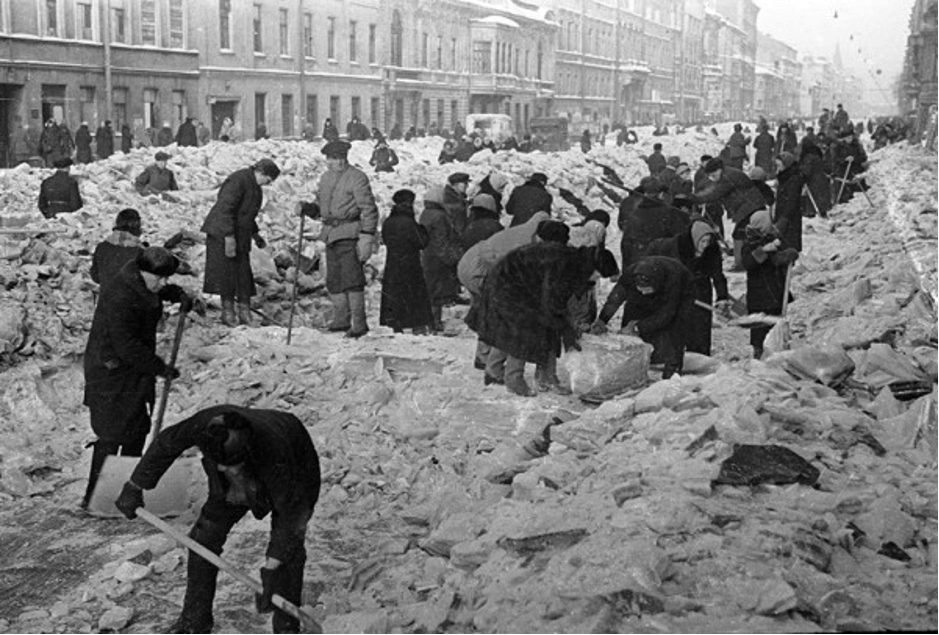
What the Siege of Leningrad was
The Siege of Leningrad was the blockade of the USSR's second-largest city by German and Finnish forces during the Great Patriotic War: from September 8, 1941, to January 27, 1944 — 872 days. Historians call it the most destructive and probably the deadliest siege in human history: hunger, cold, shelling and bombing claimed, by various estimates, from 800,000 to 1.5 million lives. For comparison: that is dozens of times more than died in the entire London Blitz.
And yet the city was never taken. Leningrad — the former imperial capital, the cradle of the revolution, bearing Lenin's name — held out for two and a half years and became the country's supreme symbol of unbrokenness.
How the ring closed
Leningrad was one of the three principal objectives of Operation Barbarossa: home of the Baltic Fleet, the country's second industrial center after Moscow, and the ideological symbol of Bolshevism. By late August 1941 Army Group North had severed the last railway, and on September 8, with the capture of Shlisselburg, it closed the ring from the south; from the north the city was blockaded by Finnish forces, which had retaken the territory lost in the Winter War. That same day German bombs burned the Badayev warehouses — part of the city's food reserves.
Hitler chose not to storm Leningrad — the decision was different and, in its way, more terrible: to strangle the city with hunger and shellfire. Hundreds of thousands of residents were evacuated before and during the siege, but millions remained inside the ring — including refugees who had fled into the city ahead of the advancing front. In the critical September weeks the defense was taken over by Zhukov; the front stabilized at the city's very outskirts — and froze there for over two years.
The starvation winter of 1941–42
The encircled city had food for a matter of weeks. Rations were cut five times, and from November 20 to December 25, 1941, they hit bottom: 125 grams of bread a day for office workers, dependents and children — a slice in which barely half was flour, the rest oilcake, cellulose and sawdust. Factory workers received 250 grams.
The winter of 1941–42 was the most terrible: temperatures fell to minus thirty, and the city had no heating, no electricity, no running water, no transport. By late December up to three thousand people were starving to death every day; in the worst months, the toll approached a hundred thousand. People ate joiner's glue, leather belts, household pets; they burned books and furniture for warmth. Death became part of daily life: bodies were pulled on children's sleds, and the living did not always have the strength to bury them — Piskaryovskoye Cemetery and mass burial trenches received them. There was also what went unspoken for decades: more than two thousand people were arrested for cannibalism in the besieged city. We mention this not for shock, but because an honest history of the siege includes the depth of desperation to which the city was driven.
The symbol of the siege's tragedy became the diary of 12-year-old Tanya Savicheva — nine short entries recording the deaths of her entire family, ending with the words: "The Savichevs are dead. Everyone is dead. Only Tanya is left." Tanya was evacuated to the mainland, but she could not be saved.
The Road of Life
The single thread connecting the city to the country ran across Lake Ladoga: by barge in summer, over the ice in winter. The route was named the Road of Life. Columns of trucks crossed the ice under bombardment: flour and ammunition into the city, emaciated people out of it. Vehicles fell through the ice and perished under fire; drivers rode with their doors open so they could jump clear — and yet over the course of the siege the Road of Life supplied the city and carried hundreds of thousands to safety. By the end of 1942 about 640,000 residents remained in the city — against more than three million before the war.
A city that worked and created
Astonishingly, the dying city kept working for the front: throughout the siege Leningrad's factories produced tanks, guns and ammunition — often manned by women and teenagers standing twelve-hour shifts. Theaters and libraries stayed open; schoolchildren sat their exams.
On August 9, 1942, in the Philharmonic Hall, an orchestra assembled from starving musicians performed Shostakovich's Seventh ("Leningrad") Symphony, begun by the composer in the besieged city. The performance was broadcast by radio and loudspeakers — the German trenches heard it too. That day the front's artillery was ordered to suppress the enemy batteries so that not a single shell would fall on the city during the concert. It is perhaps the most famous case in world history of music becoming a weapon.
The breach and the liberation
On January 12, 1943, the Leningrad and Volkhov Fronts launched Operation Iskra ("Spark"), and on January 18 the ring was breached: a corridor a few kilometers wide was punched along the southern shore of Ladoga. Within 17 days a railway line was laid through it — the trains ran under shellfire, but on February 7 the first train from the mainland reached Leningrad. Rations grew; the city came back to life — though the shelling continued for another year.
The siege was fully lifted on January 27, 1944, in the course of the Leningrad–Novgorod offensive that drove the Germans back from the city. That evening a salute thundered over the Neva — the only wartime salute fired anywhere other than Moscow. The date is still marked as the Day of the Complete Liberation of Leningrad.
The price, and the memory
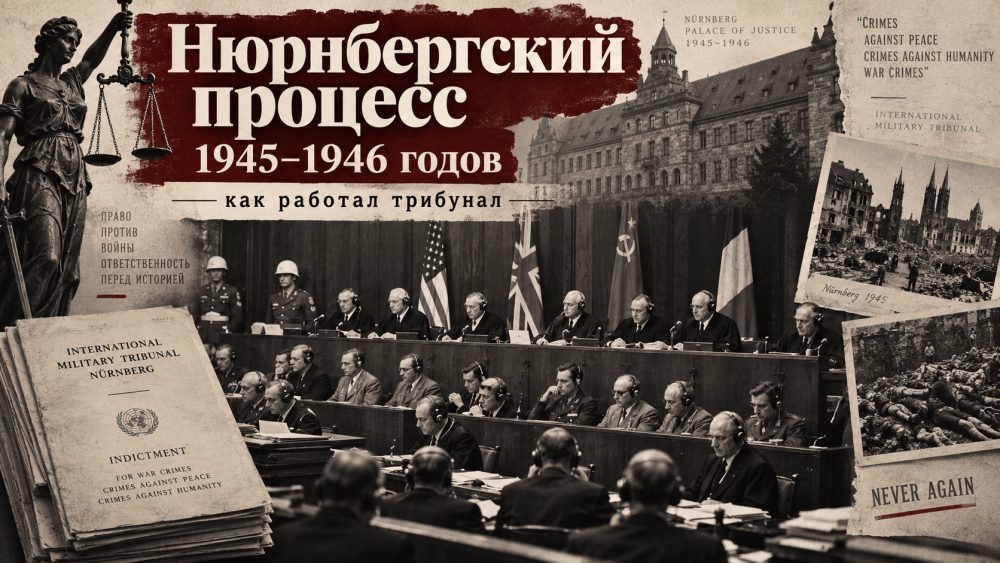
The exact death toll has never been established, and we give the estimates honestly: the most commonly cited figures are 800,000 to one million civilian dead within the city itself (overwhelmingly from starvation); counting military losses on the Leningrad axis, estimates reach 1.5 million and beyond. At the Nuremberg trials the siege figured among Germany's principal war crimes; a number of modern historians classify the deliberate starvation of the city as genocide.
In 1965 Leningrad was among the first cities to receive the title of Hero City. The siege is commemorated by Piskaryovskoye Memorial Cemetery, where hundreds of thousands of Leningraders lie, by the Monument to the Heroic Defenders on Victory Square, and by the Broken Ring on the shore of Ladoga. For many years the official canon muted the most terrible pages of siege life; the diaries and testimony of survivors returned them to history. We tell the siege through those testimonies — as tragedy and as feat at once, because it was both.
Frequently asked questions
How long did the Siege of Leningrad last? 872 days: from September 8, 1941, to January 27, 1944. In popular culture it is rounded to "the 900 days."
How many people died in the siege? By the most common estimates — 800,000 to one million civilians within the city itself, mostly from starvation; counting military losses, estimates reach 1.5 million. The exact figure has never been established.
What was the Road of Life? The only supply and evacuation route, across Lake Ladoga: by water in summer, by an ice road for trucks in winter. It brought food into the city and carried hundreds of thousands of starving people out.
How much bread did people receive during the siege? In the worst period (November 20 – December 25, 1941) — 125 grams a day for office workers, dependents and children, and 250 grams for factory workers — and only part of that bread was actually flour.
When was the siege breached, and when was it lifted? The breach came on January 18, 1943 (Operation Iskra, the land corridor along Ladoga). The complete lifting — January 27, 1944.
Why didn't Hitler storm Leningrad? The German command deliberately chose blockade: to starve the city out and destroy it by bombardment without spending troops on street fighting. That is precisely why a number of historians regard the siege as the intentional extermination of a population.
Related
- The Great Patriotic War — the war of which the siege was part.
- The Battle of Stalingrad — the other great symbol of 1942–43: victory alongside tragedy.
- Vladimir Lenin — the man whose name the besieged city bore.
- Joseph Stalin — the supreme command and the price of the decisions of 1941.
Sources
The facts in this article can be verified against authoritative sources:
- Encyclopaedia Britannica, "Siege of Leningrad": https://www.britannica.com/event/Siege-of-Leningrad
- Wikipedia, "Siege of Leningrad": https://en.wikipedia.org/wiki/Siege_of_Leningrad
- HISTORY, "The Siege of Leningrad: When Hitler Used Starvation as a Weapon": https://www.history.com/articles/the-siege-of-leningrad
- EHNE (Digital Encyclopedia of European History, Sorbonne), "The Siege of Leningrad (1941–1944)": https://ehne.fr/en/encyclopedia/themes/wars-and-memories/war-fronts/siege-leningrad-1941-1944
- Encyclopedia.com (Encyclopedia of Russian History), "Leningrad, Siege of": https://www.encyclopedia.com/history/encyclopedias-almanacs-transcripts-and-maps/leningrad-siege
Where casualty estimates diverge (from 800,000 to 1.5 million), we give the range and explain what each figure includes.